Spruce Grouse
July 1st, 2015
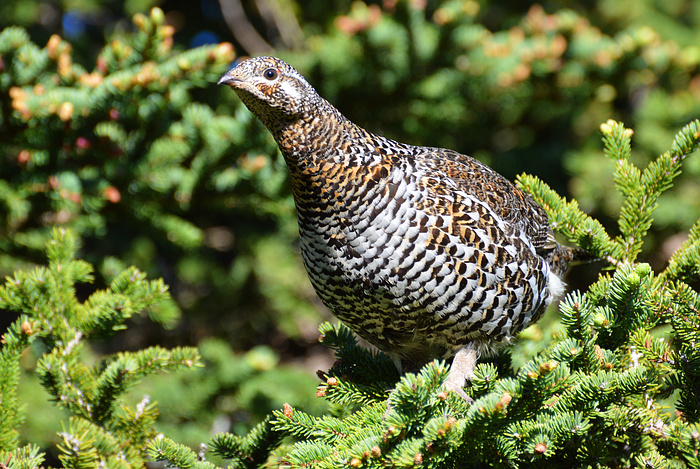
We went hiking on the iconic Skyline Trail during our travels through Cape Breton Highlands National Park. It's known for its wildlife, particularly moose, although we didn't see any there. Actually I'd just been starting to think that the iconic Skyline Trail was kinda boring when we stumbled across this lady:
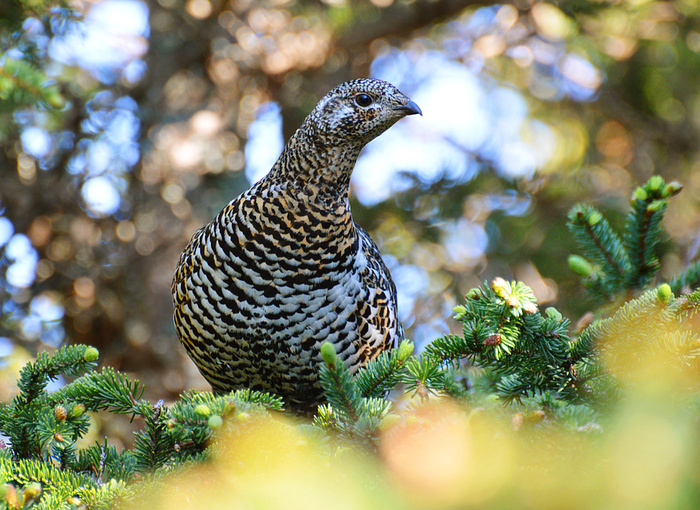
1680x1050 wallpaper
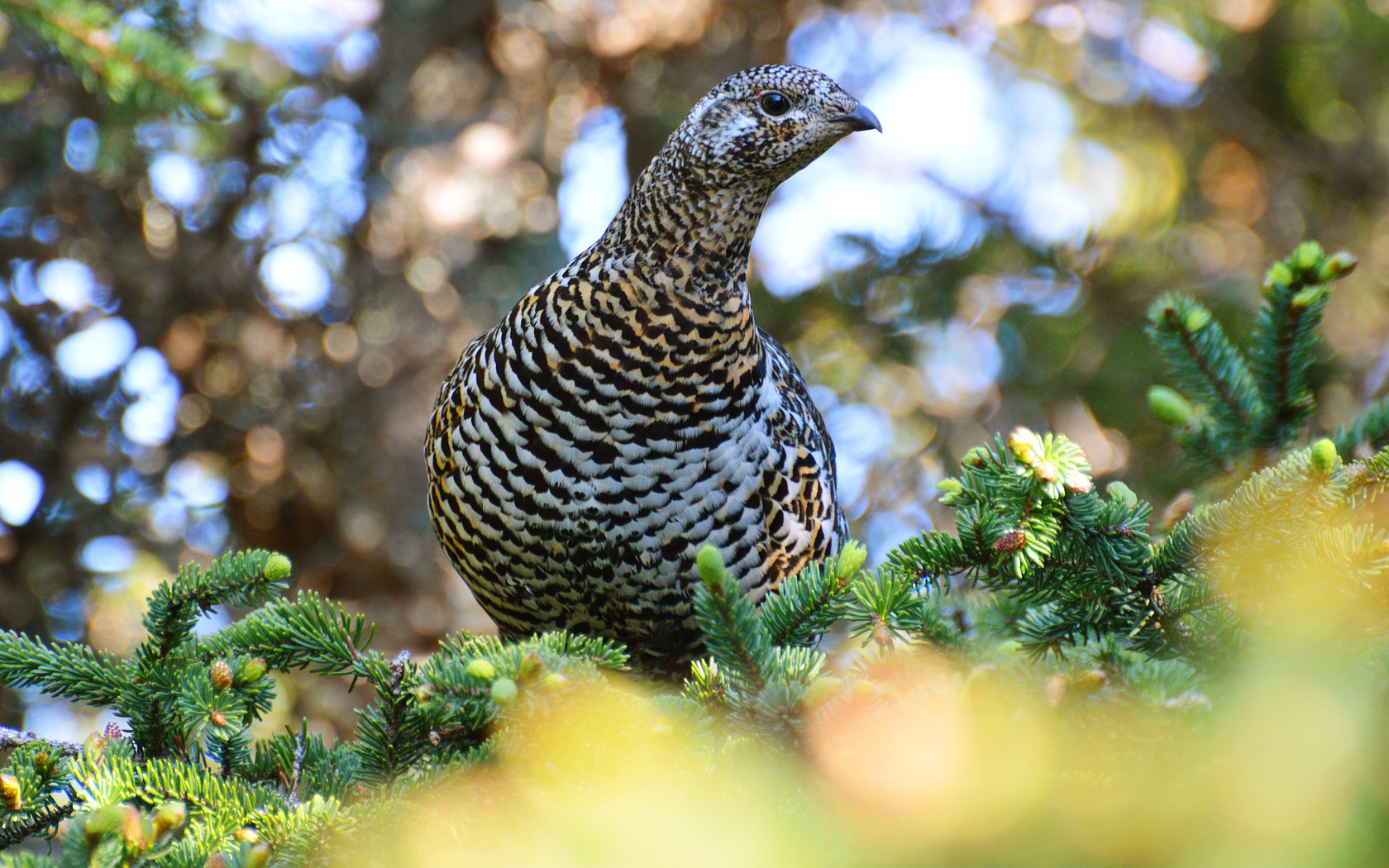
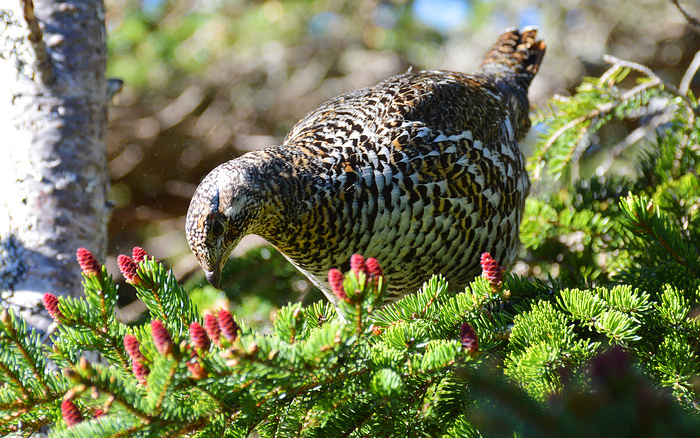
A female Spruce Grouse and my first lifer of the trip! (We did this hike before the Bird Islands tour.) Spruce Grouse live in northern conifer forests, where they subsist, primarily, on pine and spruce needles, plus the occasional invertebrate in summer. Munching spruce needles is what she was doing when we found her. I'd heard Spruce Grouse were tame, but I wasn't prepared for just how tame. It went something like this:
nosh nosh nosh nosh "Oh, are you two still here?" nosh nosh nosh "'Scuse me coming through--" **BUZZ** (as she flies one foot over our heads, dusting us and my camera with spruce pollen) nosh nosh nosh
Birds that blithely ignore humans (as opposed to either fearing them or seeking them for handouts) have always been my favorite kind. I guess I just like the reminder that not everything is about us! She was definitely a high point of my vacation. Although I think one of those pollen specks ended up on my sensor...
Reunited At Last
June 28th, 2015
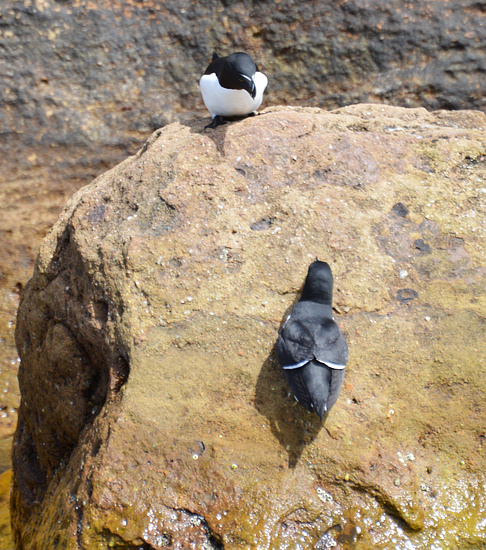
A sequence with a mated pair of Razorbills.
( Click to continue )
A Free Lunch
June 27th, 2015
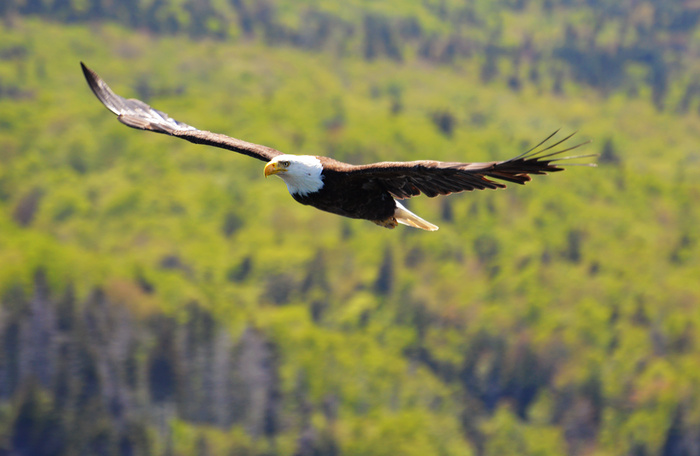
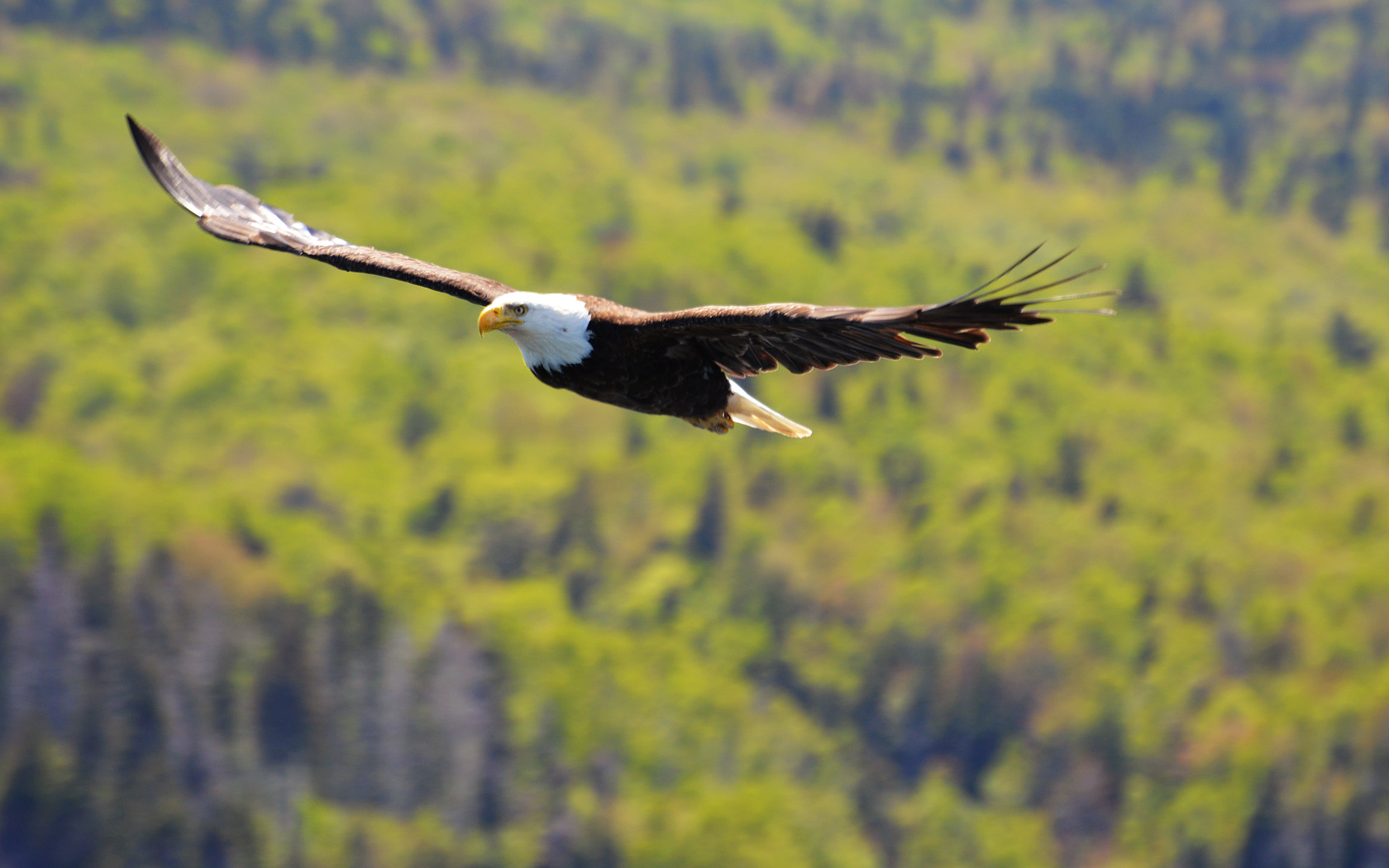
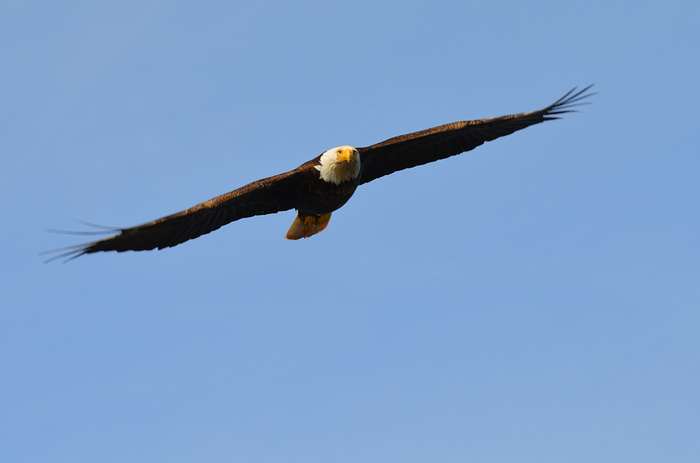
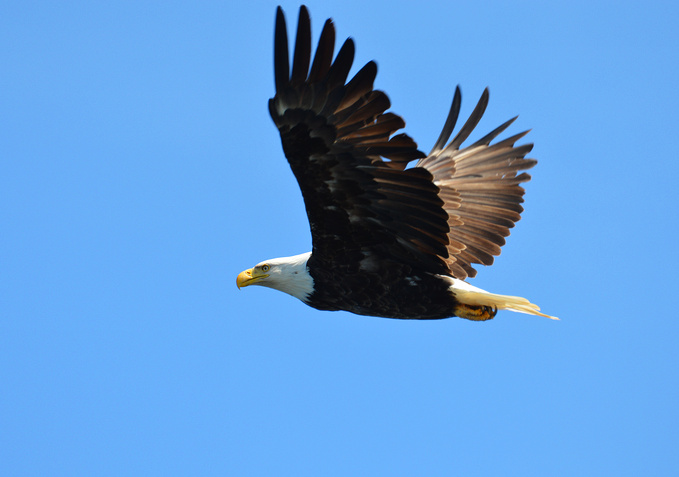
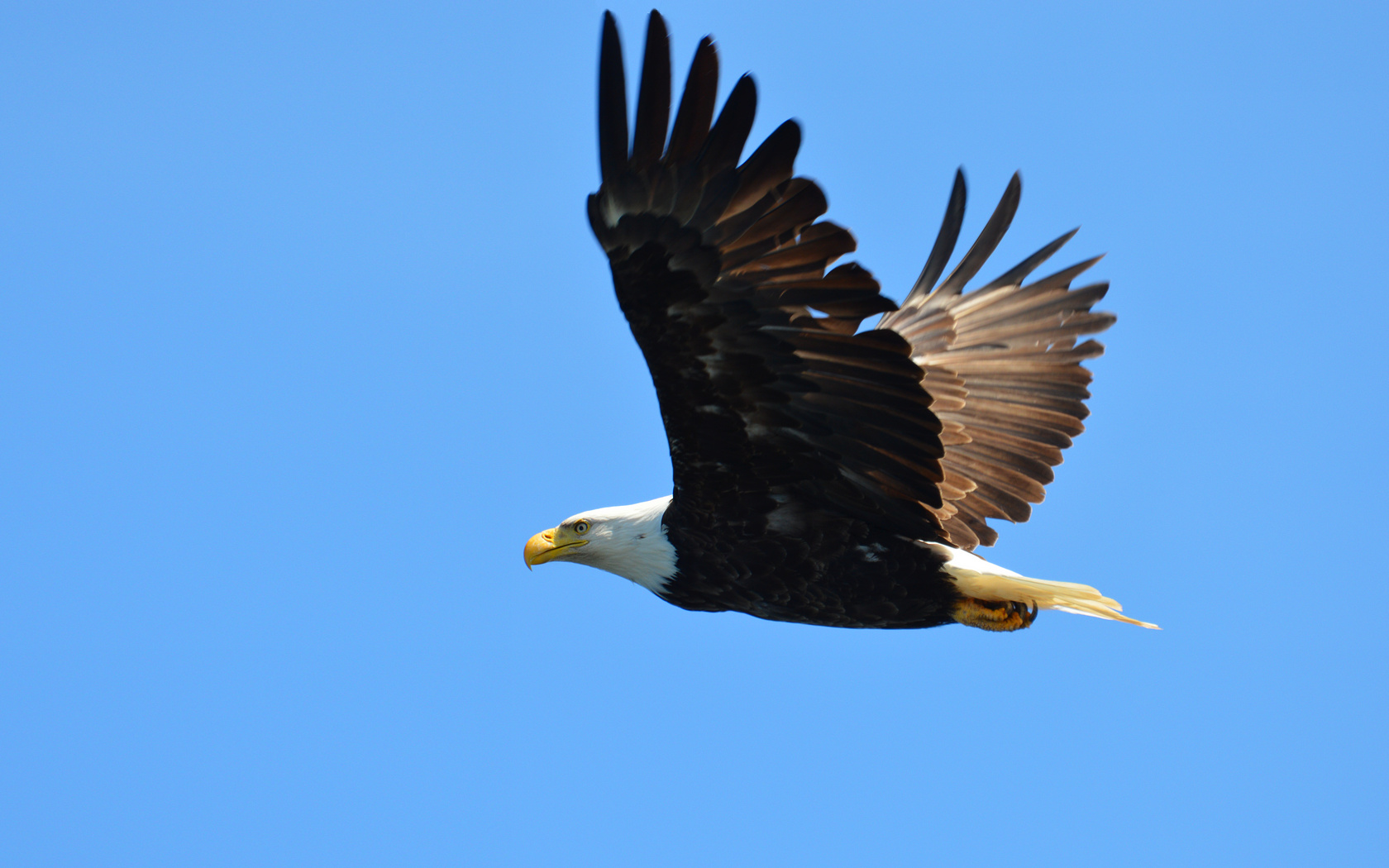
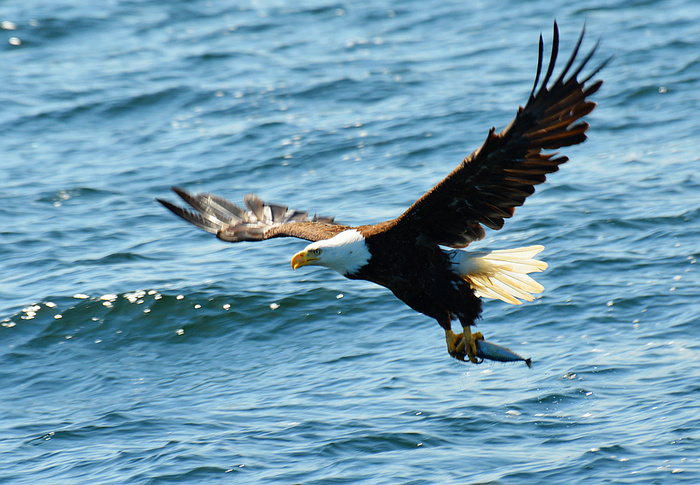
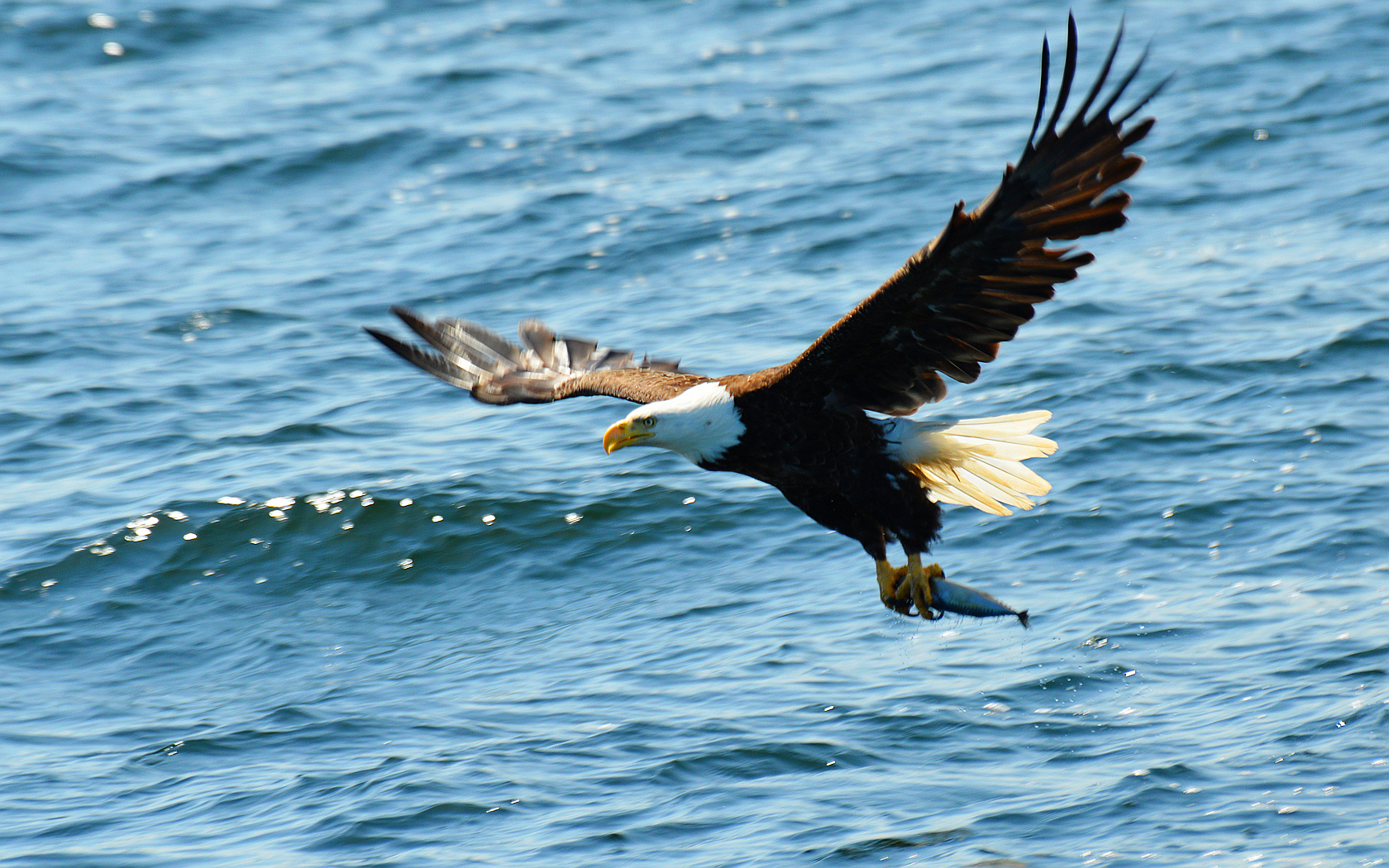
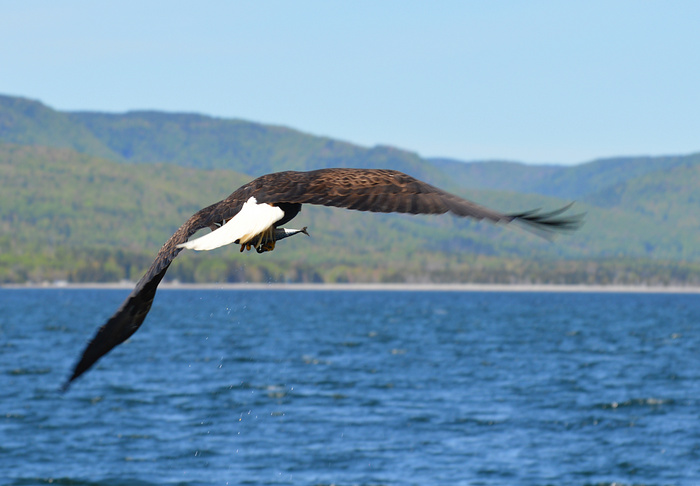
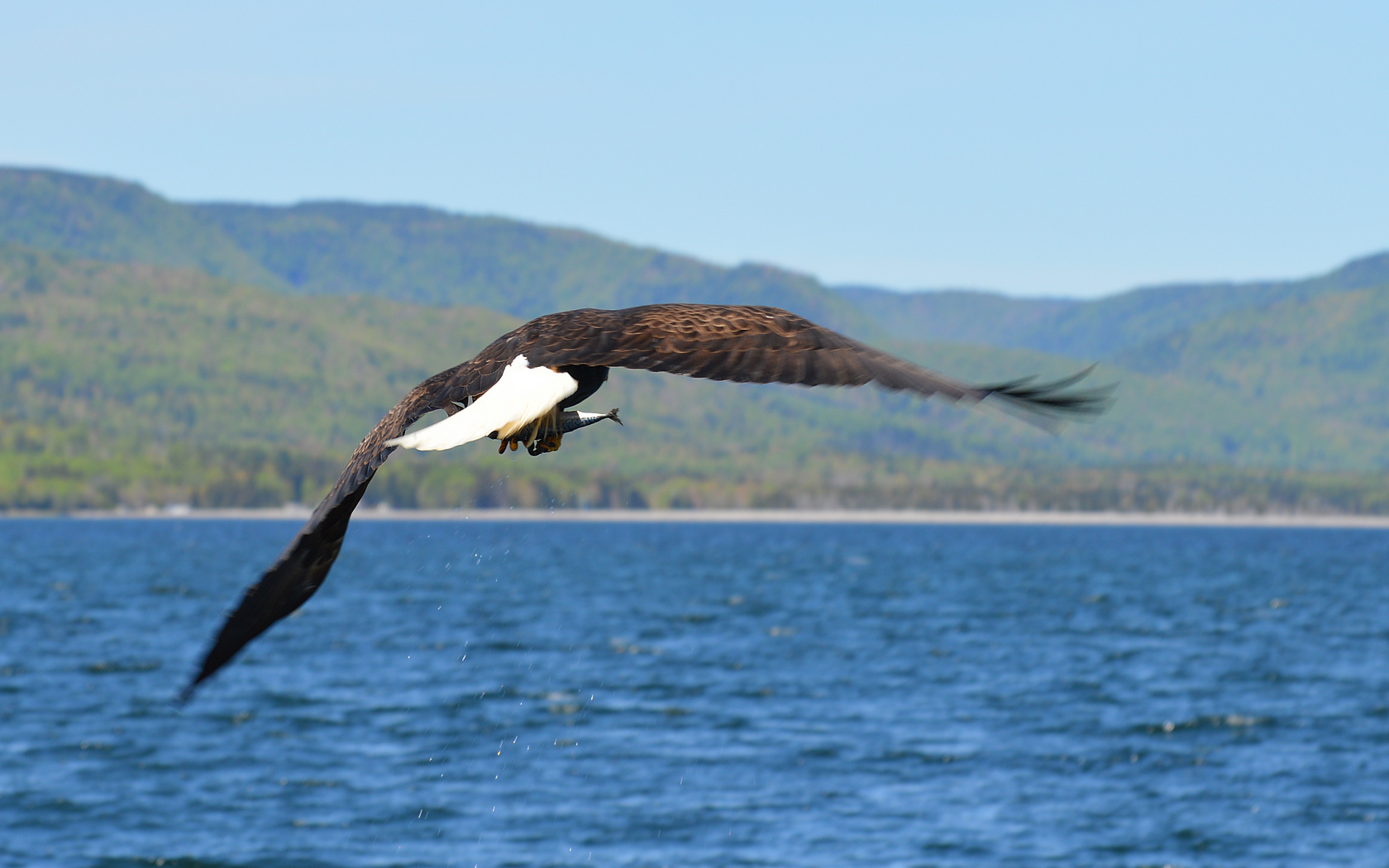
We got some nice views of Bald Eagles during the boat tour as well. They trailed after the boat to ask for food, and the captain would obligingly toss fish out on the water for them. You had to be fast on the shutter: the retrieval was lightning-quick! One eagle came flying right up our wake after that looking for seconds. "Greedy git", Mike called it. But perhaps the first fish was for it, and the second was for its young back on the nest.
1680x1050 wallpaper
1680x1050 wallpaper
1680x1050 wallpaper
1680x1050 wallpaper
"Kthxbye!"
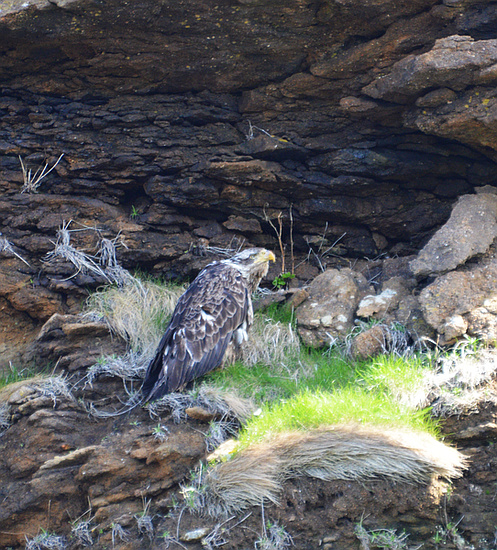
We saw one more eagle when we got to the colonies, this time a young one. He was perched right on the island. He had shrewdly chosen a nook with an overhanging ledge to protect him from dive-bombing gulls (hovering just out of frame here), who, like all the other nesting birds on the island, were Not Happy to see him.
Bird Islands Miscellanea
June 25th, 2015
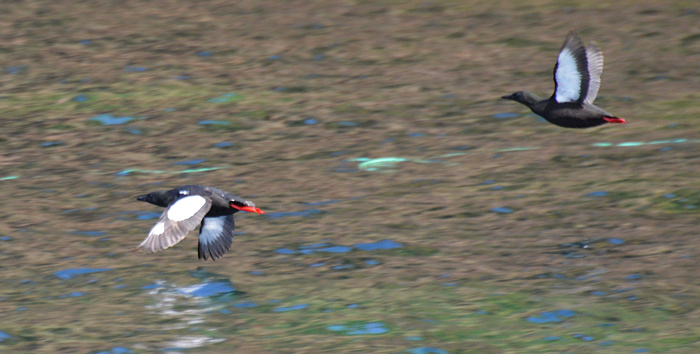
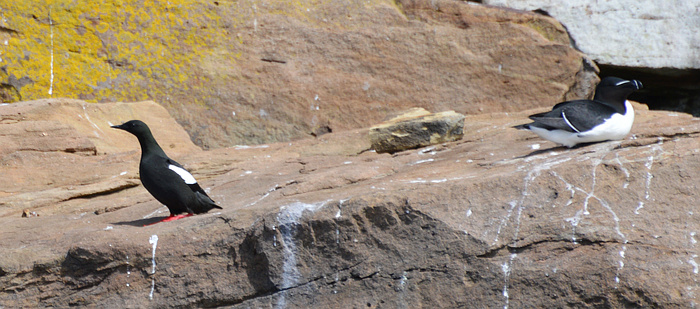
Black Guillemots are the third type of auk that breed around Cape Breton. Unlike the other two, they favor mainland cliffs as well, and we often saw them on the water when hiking along headlands. Their feet can be quite startlingly red. Even when looking down on them from tall cliffs, you can see their little red feet paddling underwater.
With a Razorbill on the right:
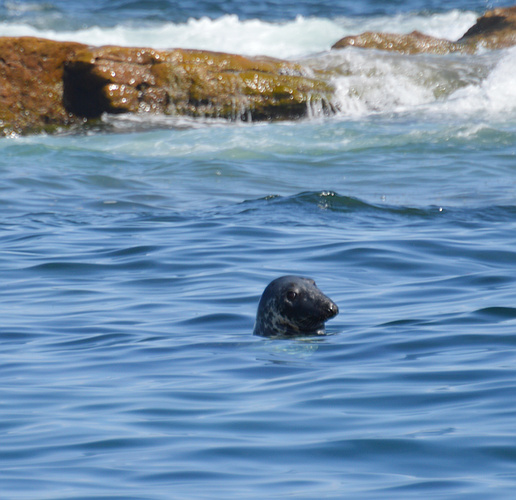
A Grey Seal made a brief appearance as we started the trip back.
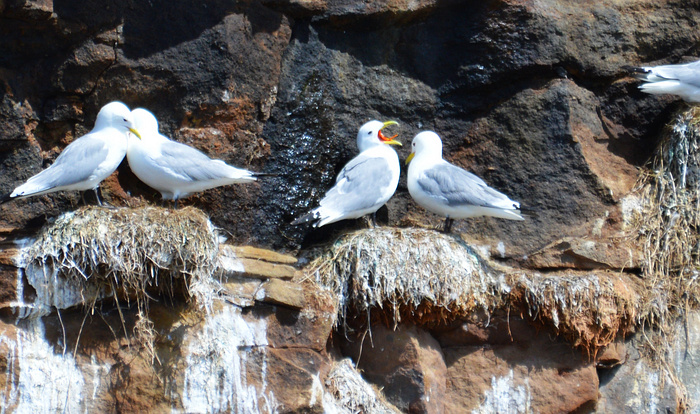
Black-Legged Kittiwake wonders: when is that egg gonna hatch already?
Great Cormorants
June 23rd, 2015
Double-Crested Cormorants are common in Ottawa and ten times more common throughout Cape Breton. Over-exposure has left me blase, although I still remember my wonderment the first time I saw one, nine years ago in Hog's Back Park: an all-black bird with feet like a duck, bill like a heron, wings like a vulture, ghostly blue eyes and two weird little tufts on its head. (Little did I know how rare it was to actually see those "double crests." In the years I've been birding since I've never seen it again.)
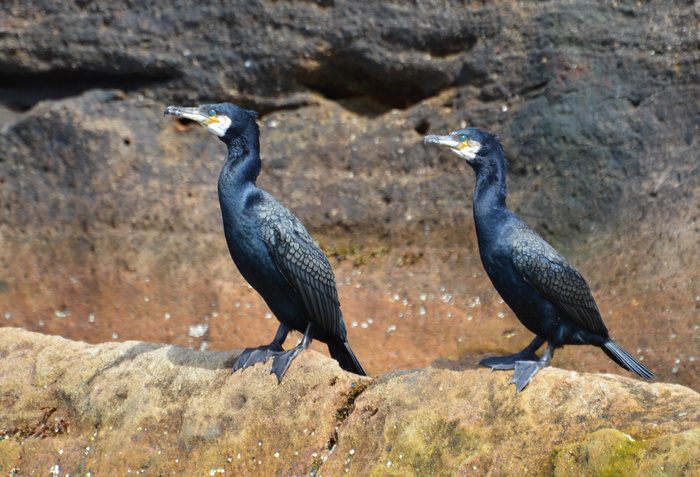
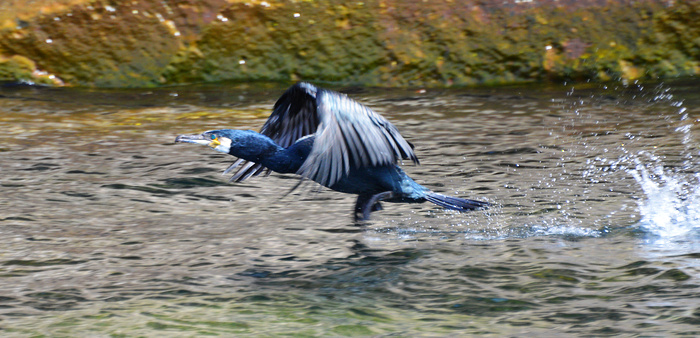
But the Great Cormorants I saw on this vacation gave me a fresh appreciation for cormorants--for the intensity and prehistoric weirdness of them. This is a much less common variety, at least in North America, that is only found on the north Atlantic coast from Maine to Newfoundland. Before this I'd only seen one once before at a great distance (in Gaspé.) They're larger than Double-Cresteds, and in breeding plumage really quite handsome. I was struck by the steel blue sheen they showed in good light, and the scalloped, mosaic-like pattern of their back feathers.
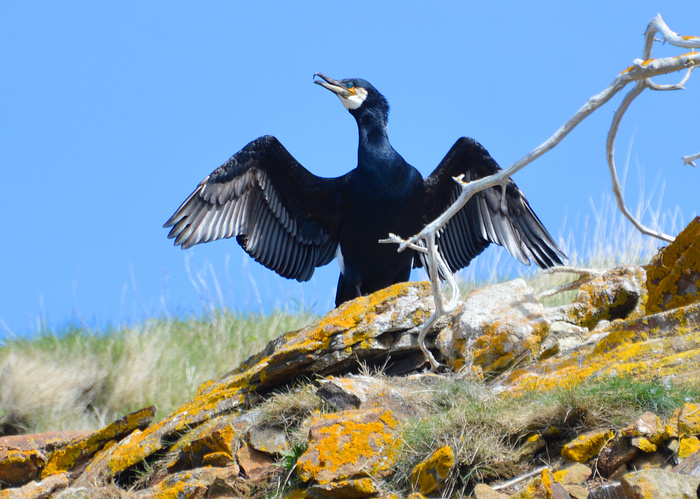
1680x1050 wallpaper (this one's best appreciated at high res!)
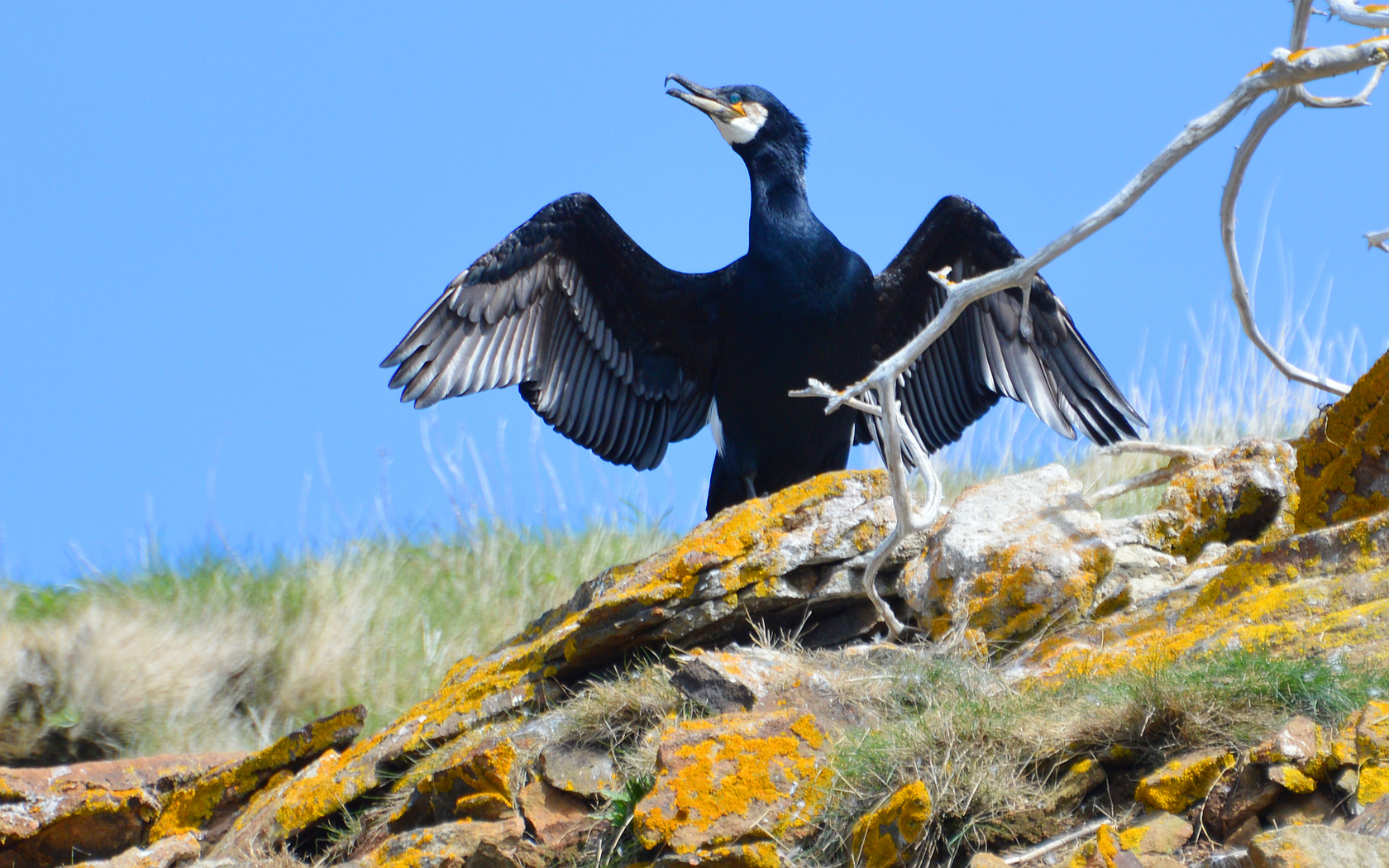
Cormorants stand like that for extended periods to dry their wings after diving for fish. Unlike most water birds, they don't have waterproof plumage.
Razorbills
June 21st, 2015
Razorbills (another type of auk) may actually have been my favorite part of the Bird Islands. I just find them fascinating-looking birds, and they were so forthcoming with great views, perching and interacting right out on the rocks, and fishing in the water right beside our boat.
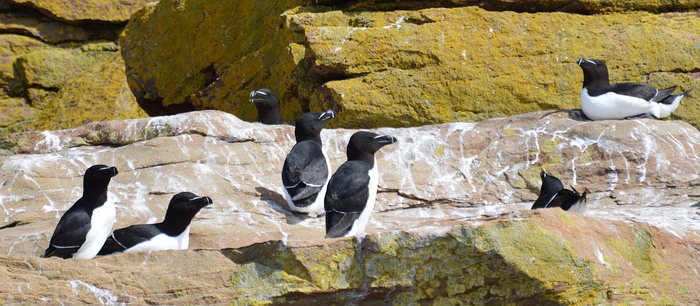
1680x1050 wallpaper

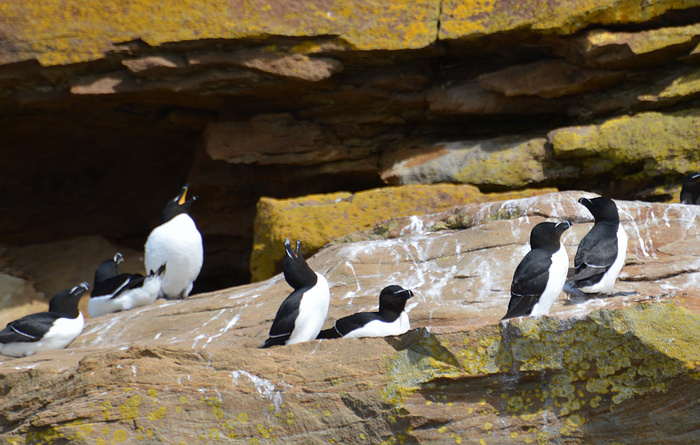
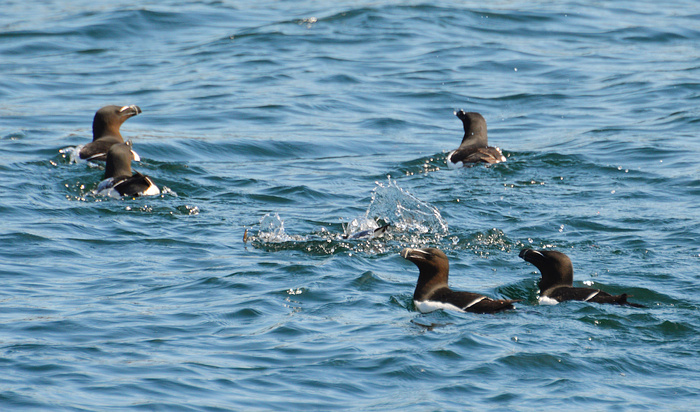
The splash in the middle is a razorbill that just dove.
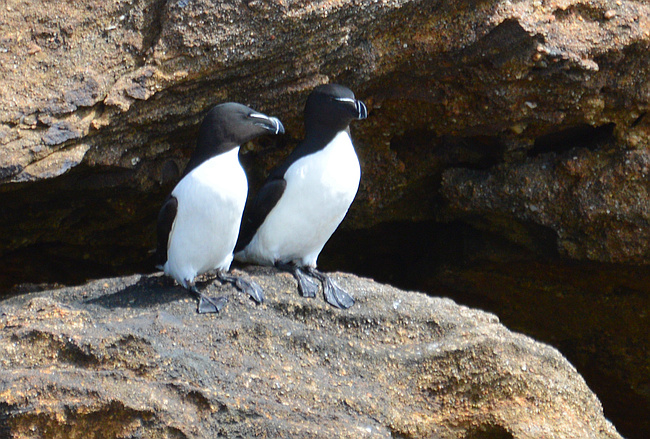
1680x1050 wallpaper
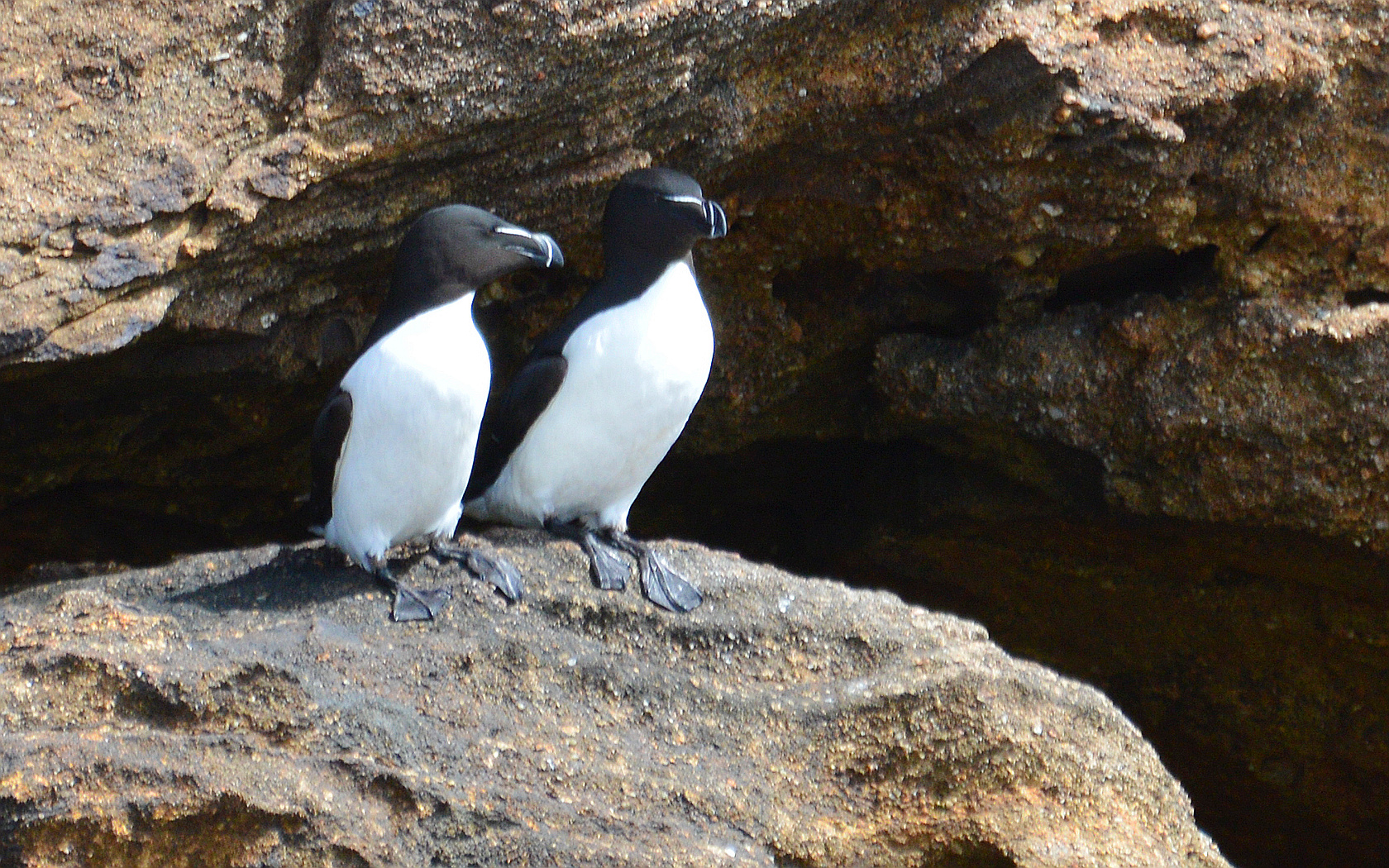
The Star Of Bird Islands
June 19th, 2015
The Bird Islands are two rocky islets offshore of Cape Breton, blanketed in colonies of nesting seabirds. We chose Donelda's Puffin Boat Tours to take us there and had a great time. They go as close to the islands as possible, giving you good views (with binoculars) of the razorbills, guillemots, puffins, cormorants and kittiwakes. The extra megapixels on my new camera really strutted their stuff that day. "As close as possible" really wasn't all that close, and I was surprised when some of my photographs, once cropped, looked as if I'd been standing on the island right next to the birds!
The puffins--"chunky little sea parrots", as Peterson calls them--are the ostensible stars of the show. In truth I enjoyed the other seabirds just as much, but Atlantic Puffin was a lifer for me (one of my four this trip), and I was excited to see and photograph it. Puffins are part of the auk family, the north hemisphere's analogue to penguins. They eat small fish which they catch by diving and swimming underwater. They are renowned for their ability to carry dozens of fish at a time in their oversized bills when bringing food back to the nest. (Apparently the known record is 62!)
The puffins were both less numerous and less obvious than the other seabirds, nesting as they did in little hollows on the rock faces (instead of out in the open.) I only managed to photograph them on the water.
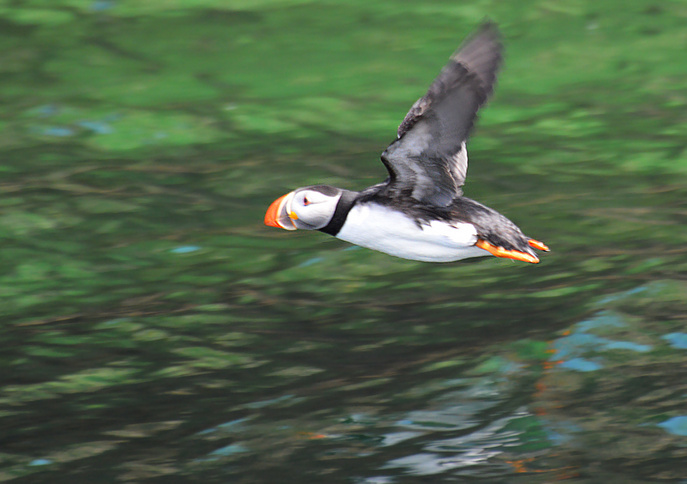
1680x1050 wallpaper

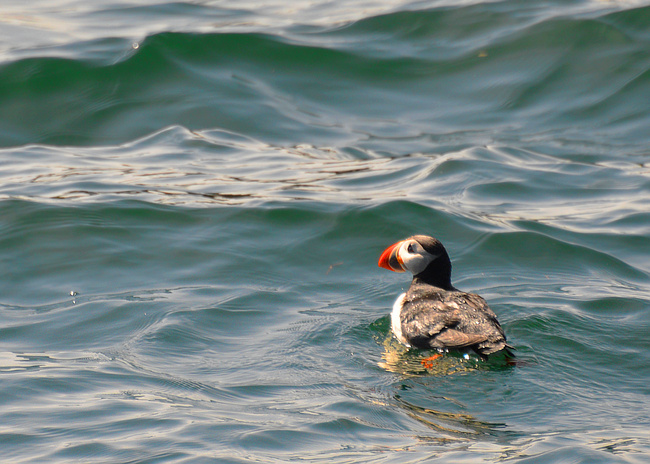
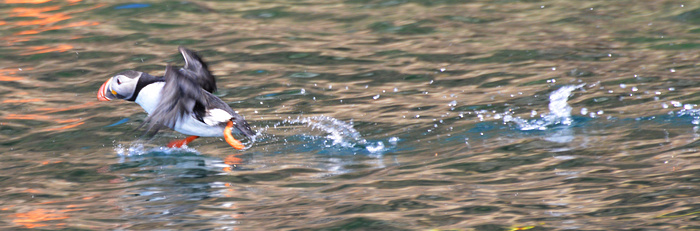
Puffins aren't very good fliers. Auks in general aren't very good fliers: to quote Wikipedia, they are a compromise between the best possible design for diving and the bare minimum needed for flying. (This still puts them a step past penguins whose "compromise" was to give up flying entirely.) They have to patter furiously across the water into the wind to achieve liftoff.
The Star Of Yellow Sidecar
June 16th, 2015
I'm back from vacation in Cape Breton. I'll have lots more to say about it soon, including my four lifers, all successfully photographed. But for now I just want to share this little beauty.
1680x1050 wallpaper
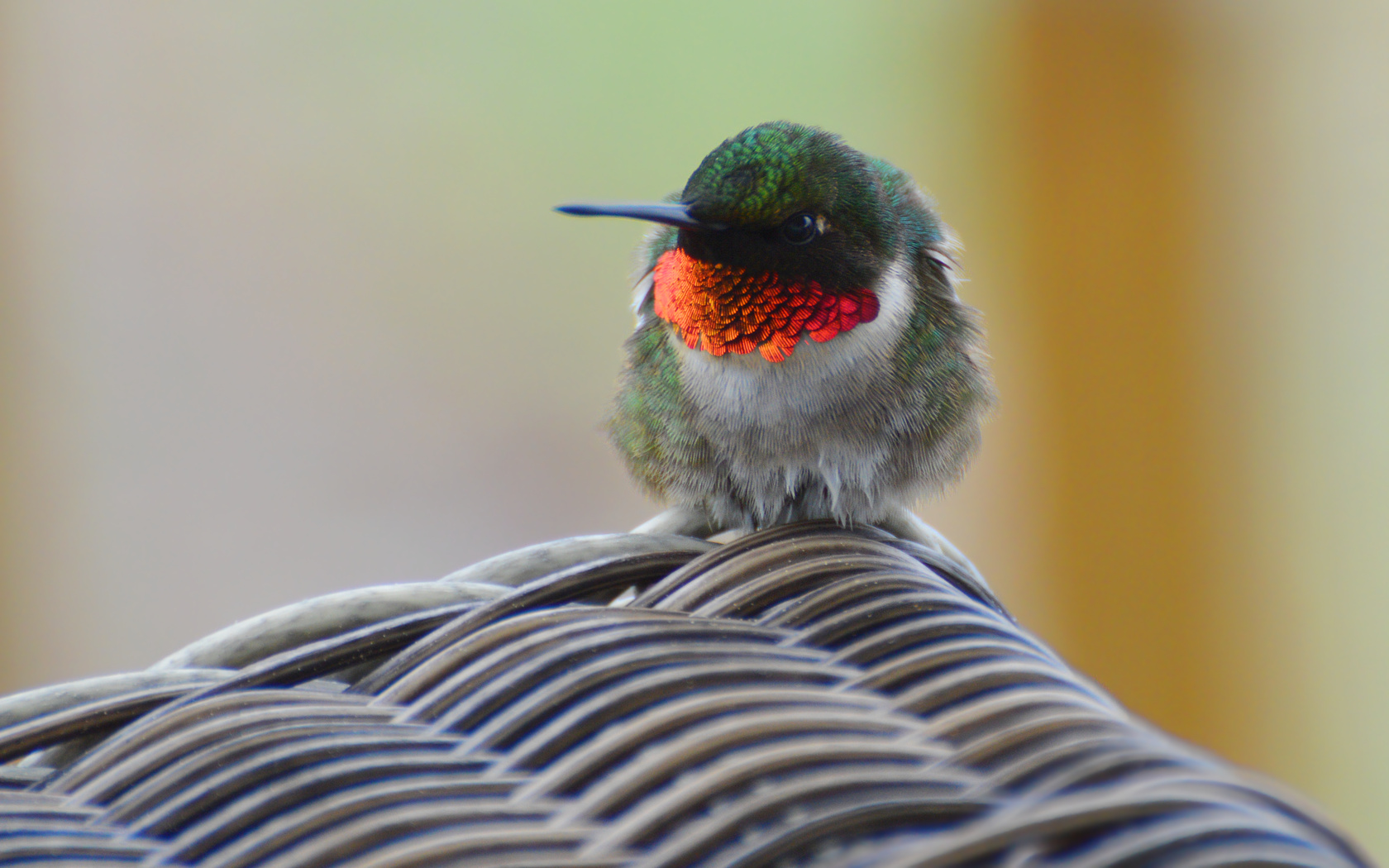
He was guarding a hummingbird feeder jealously--his mate was allowed to share it with him, but no one else. He found the wicker chair a handy perch for keeping an eye on things. This was at Yellow Sidecar B&B in Cap Le Moine, a little house on the coast in the middle of nowhere (to quote another B&B's proprietor: "no one stays in Cap Le Moine!...well, except you guys") with two very active hummingbird feeders and a gloriously overgrown tangle of a back yard, which I plowed my way into to enjoy the yellowthroats and alder flycatchers. It was not just a wonderful birder's B&B, it was a wonderful B&B period. I recommend it to anyone wanting an authentic experience of Cape Breton.
Next up, nesting seabirds on the Bird Islands!
A Delicate Beauty
May 30th, 2015
On Monday husband and I are off to Cape Breton! I'm looking forward to lifelisting the adorable Atlantic Puffin (a gimme), and Bicknell's Thrush. Bicknell's Thrush will not be a gimme, but a tantalizing possibility. It is a very rare bird with a tiny range--so rare that there are guided tours dedicated to seeing just it. Cape Breton happens to be within its tiny range.
ETA: Here's what I'll be listening for.
We also hope to do some whale-watching, and probably a visit to Fortress of Louisburg.
I tried for a last-minute twitch on Yellow-Crowned Night Heron, a southern bird well out of range in someone's backyard in Carp. It too would be a lifer. (If you've been following along it should sound familiar. It's a close relative of a heron I just photographed!) The homeowner graciously allowed me onto her property to look at the pond, but it wasn't there. It was probably roosting somewhere out of the heavy rain and thus smarter than me :-) I might try again tomorrow.
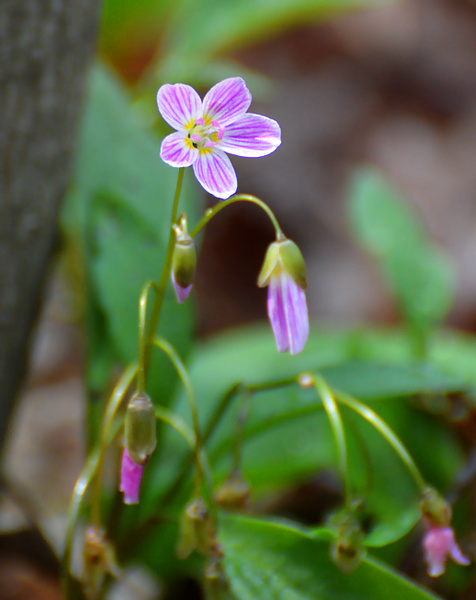
I leave you with this Spring Beauty from early May.
1680x1050 wallpaper

Mud Lake, late spring
May 27th, 2015
Summer is moving in. You can see the progression on the latest page of my gallery: brown and silver bokehs predominating at the bottom, and at the top, green, green, and more green!
Mud Lake's Yellow Warblers are back:
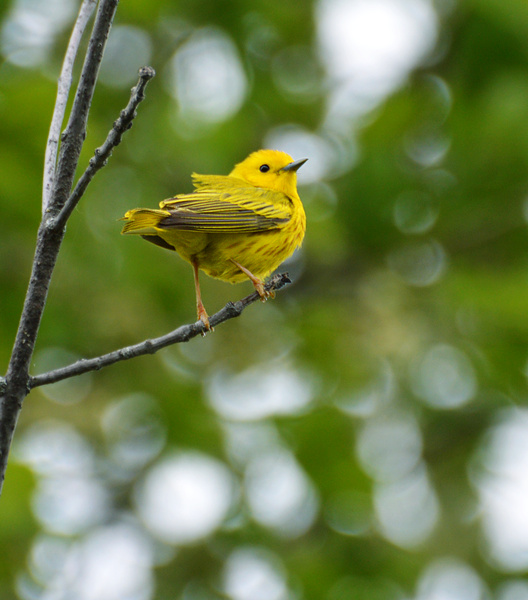
1680x1050 wallpaper
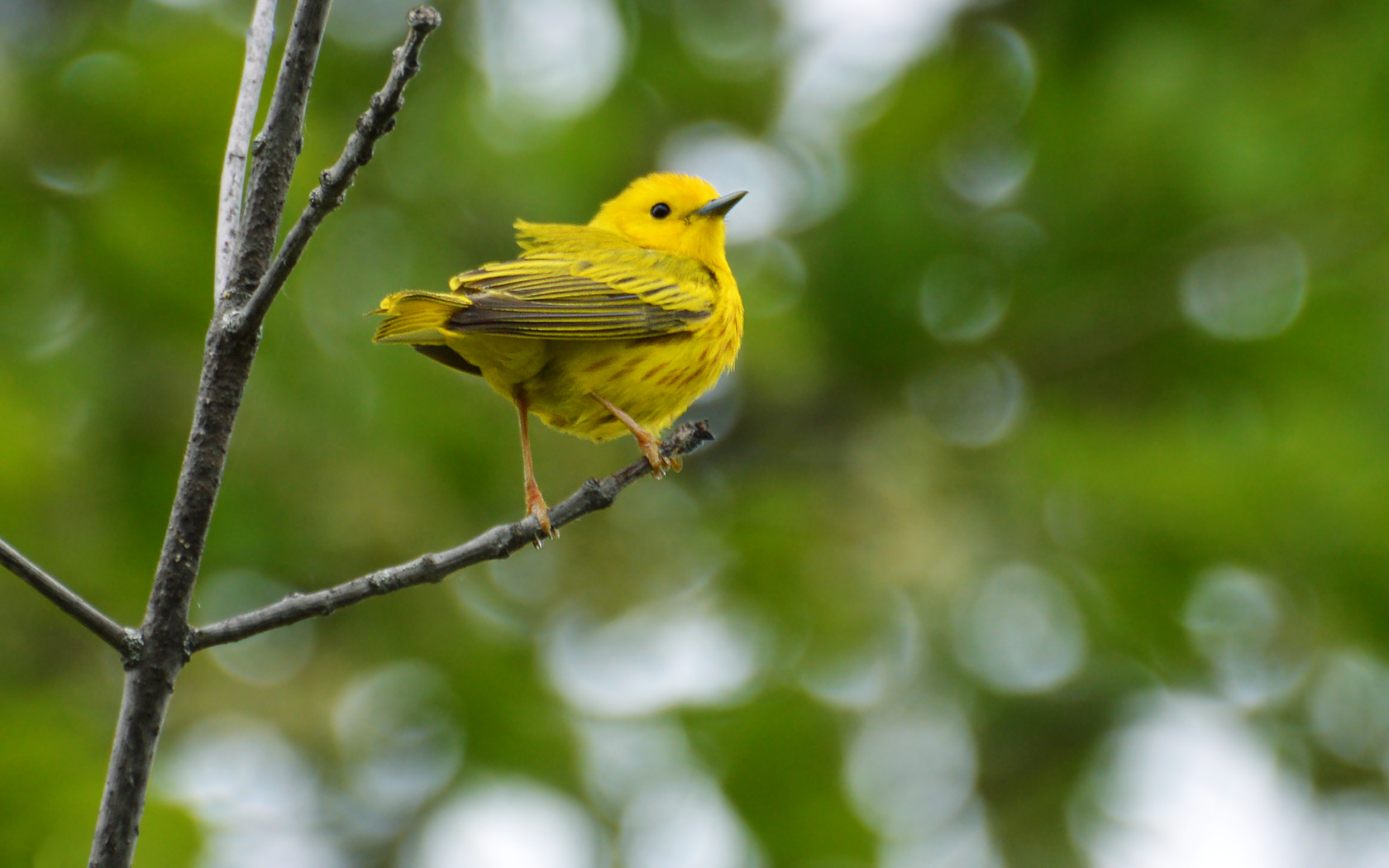
1680x1050 wallpaper
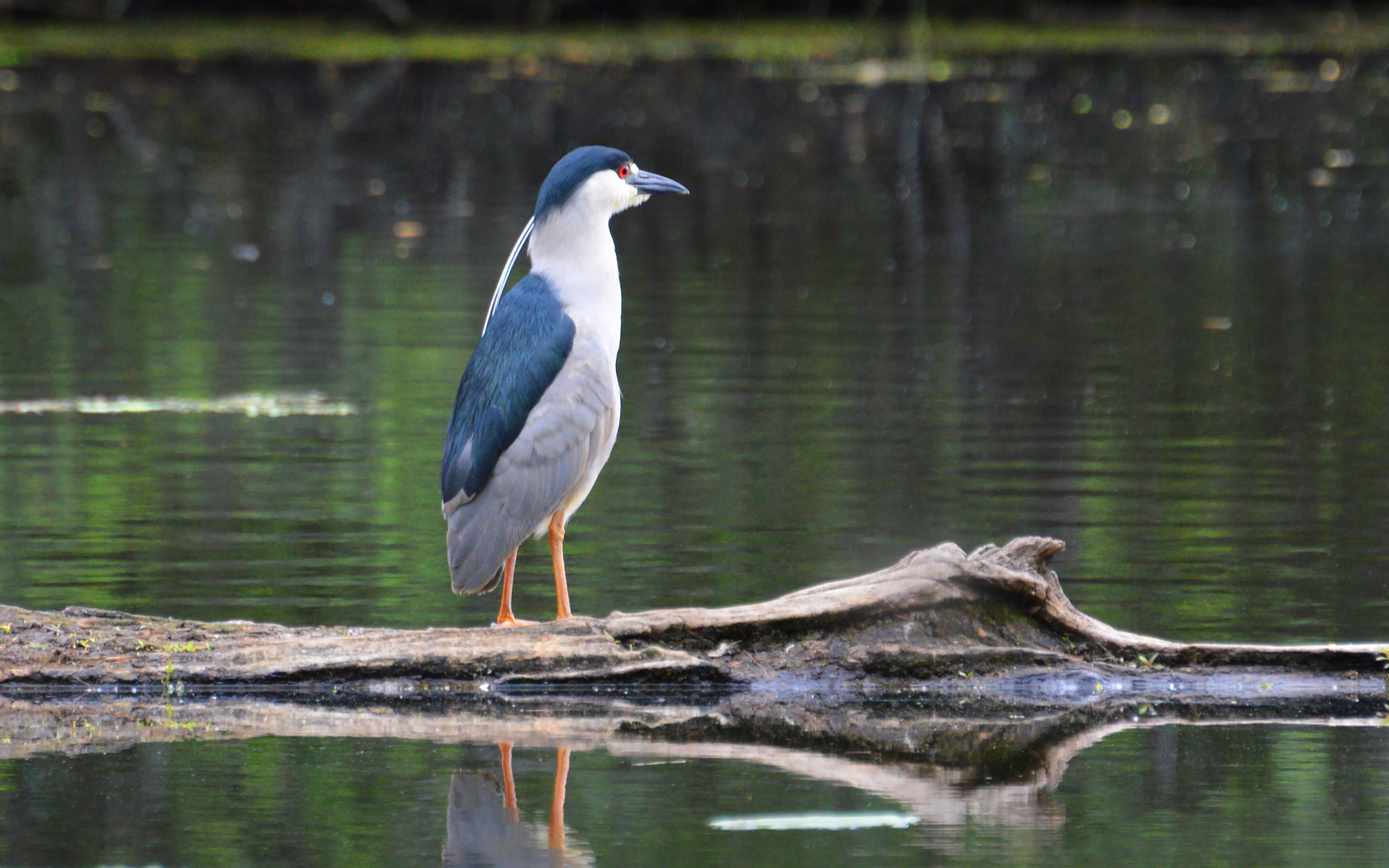
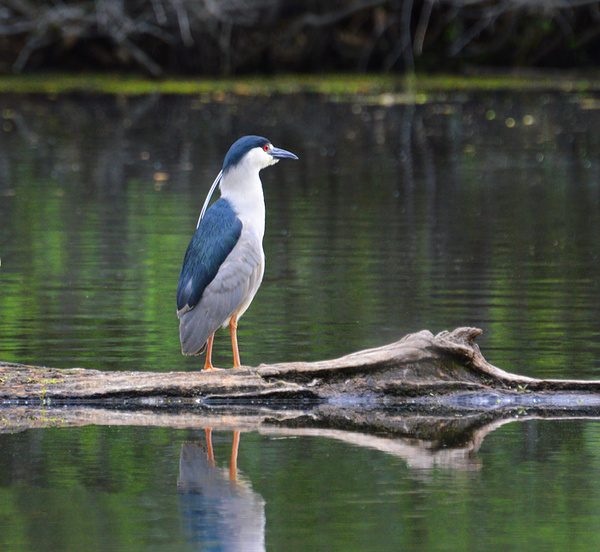
The Black-Crowned Night Herons at Mud Lake seem tamer than in years past, for some reason. It used to be I could only get good pictures of the (stripy brown) teenagers--adults would flush at the slightest disturbance. But I was in clear view of this one and he paid me little mind. Mature Night Herons, seen close up and in good light, are magnificent birds in my opinion!
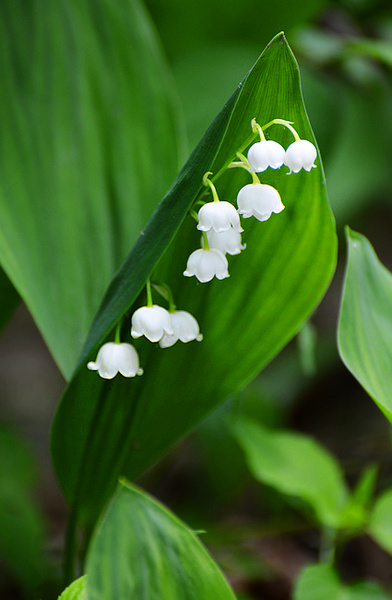
Lily-of-the-valley, a garden flower that sometimes escapes into woodlands.
|