Carara National Park (part 1)
April 28th, 2014
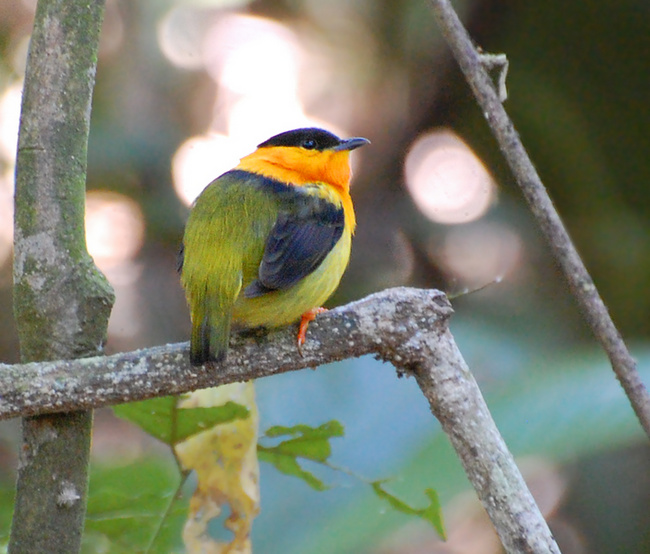
On Monday, we went on our second tour with Johan Chaves: a full day in Carara National Park, one of the best birding destinations in the country. Vividly colored trogons and toucans, parrots and hummingbirds captured our eye, although comparatively few of these came within reach of my 300mm lens. This guy certainly did though:
1680x1050 wallpaper
I want to make an aside here, for something I found amusing. I sometimes take my non-birder friends and family out on walks. Some of them are casual nature lovers, or if not, I can coax them in that direction. What they notice mostly is the tame, bold, inquisitive birds, and what they admire mostly is the colorful birds. They notice the adorable chickadees coming to their hands for sunflower seed. They notice the cardinals and blue jays perching in plain view, and the iridescent green of the mallards. I'm usually looking at other things, and if they can even pick out what it is I'm looking at, they might wonder what on earth is so interesting about it.
As a hard-core birder, you see so many cardinals and blue jays and chickadees that you become blase. You start focusing on the elusive birds, the wild ones, the hidden ones, above all, the rare ones. The more you bird, the more "interesting because it's rare" becomes a thing, and "boring because it's common" becomes something you fight against. (Or I fight against it, anyway. Because it's not true. They're all interesting.)
But when a temperate-zone birder visits the tropics for the first time, it's an exercise in role reversal. Now you're the one oohing and aahing over the flashy common birds, while your tour guide, who has seen them all a thousand times before, rolls his eyes discreetly. While you're going ape over toucans and macaws, he's going ape over some drab, nondescript fellow with a drab, nondescript name like Thrushlike Schiffornis or Stub-Tailed Spadebill.
You get it, because you're a birder. You empathize with his fascination with the rarity. You take a good look at the drab rare bird. But then you turn back to the Scarlet Macaws and ooh and aah some more.
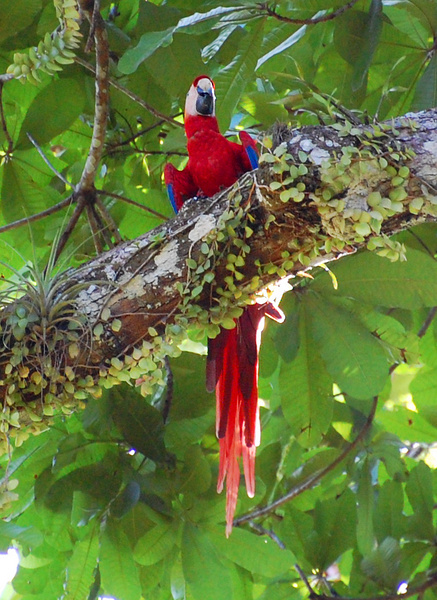
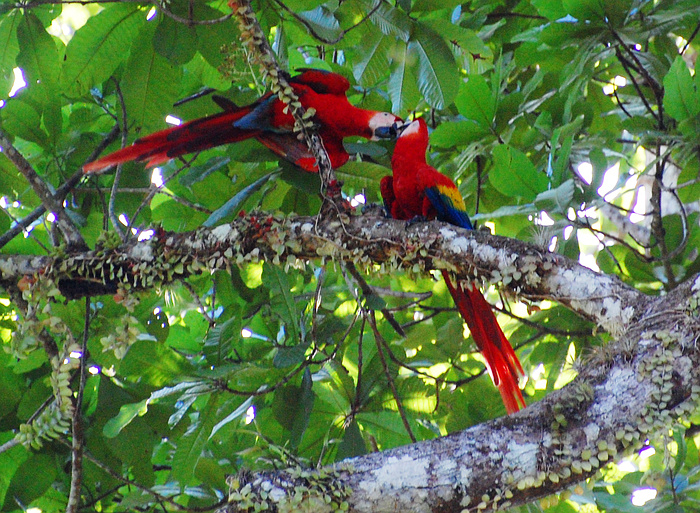
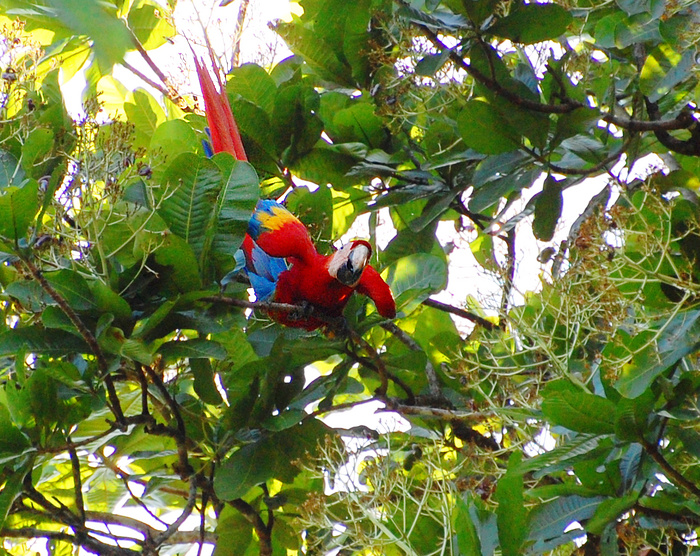
Scarlet Macaws are a highlight in any trip to Carara, one of the few places in Costa Rica where these magnificent parrots--flying rainbows, some call them--are still a common sight. Every morning they come to the park to feed. Every evening their colors streak across the sky as they migrate in pairs and flocks to their roosting grounds in the mangroves. Despite their vivid colors, you usually hear them before you see them. Their squawks carry for miles.
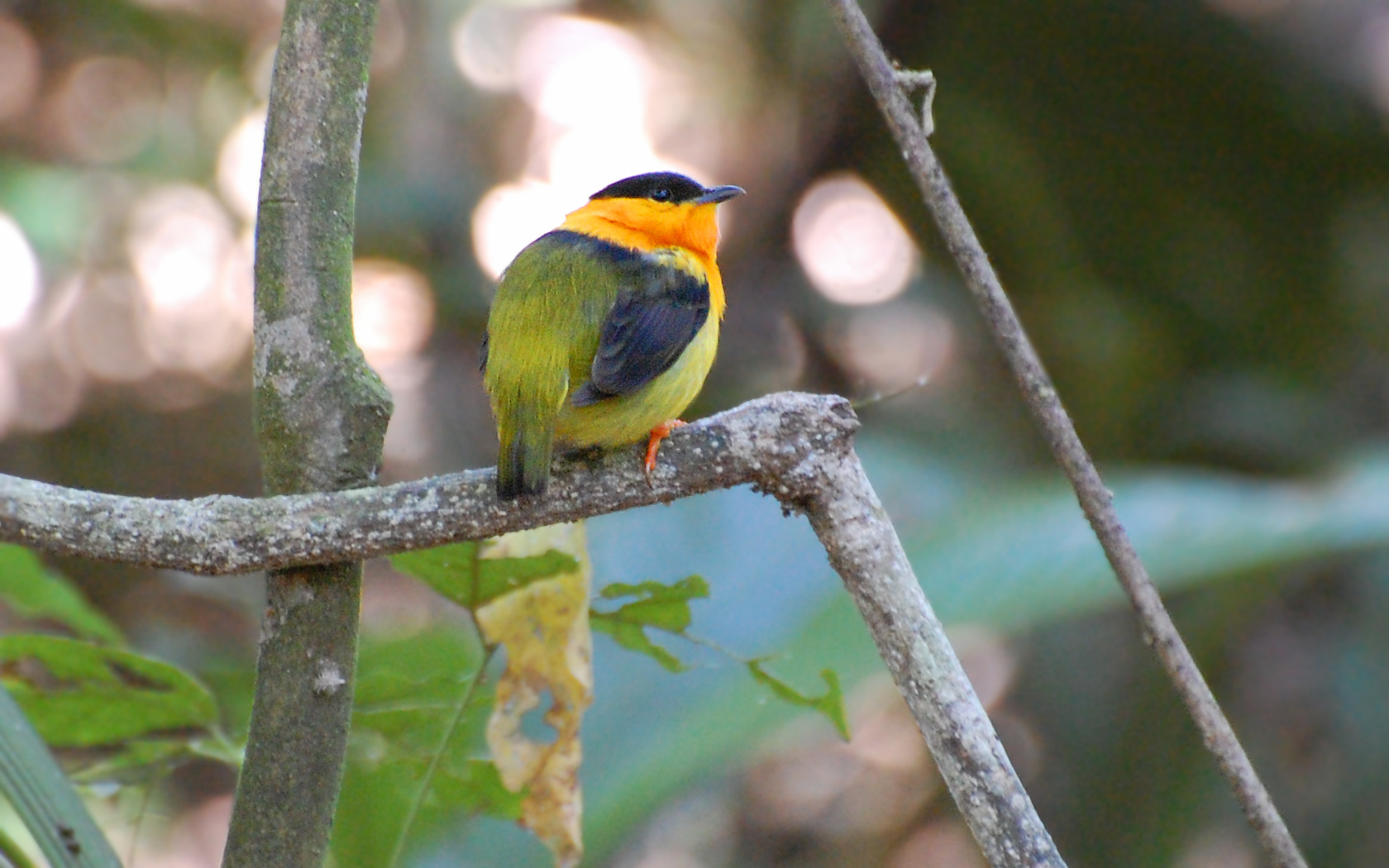
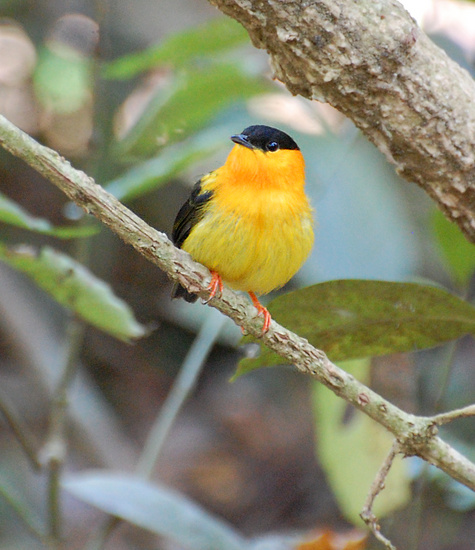
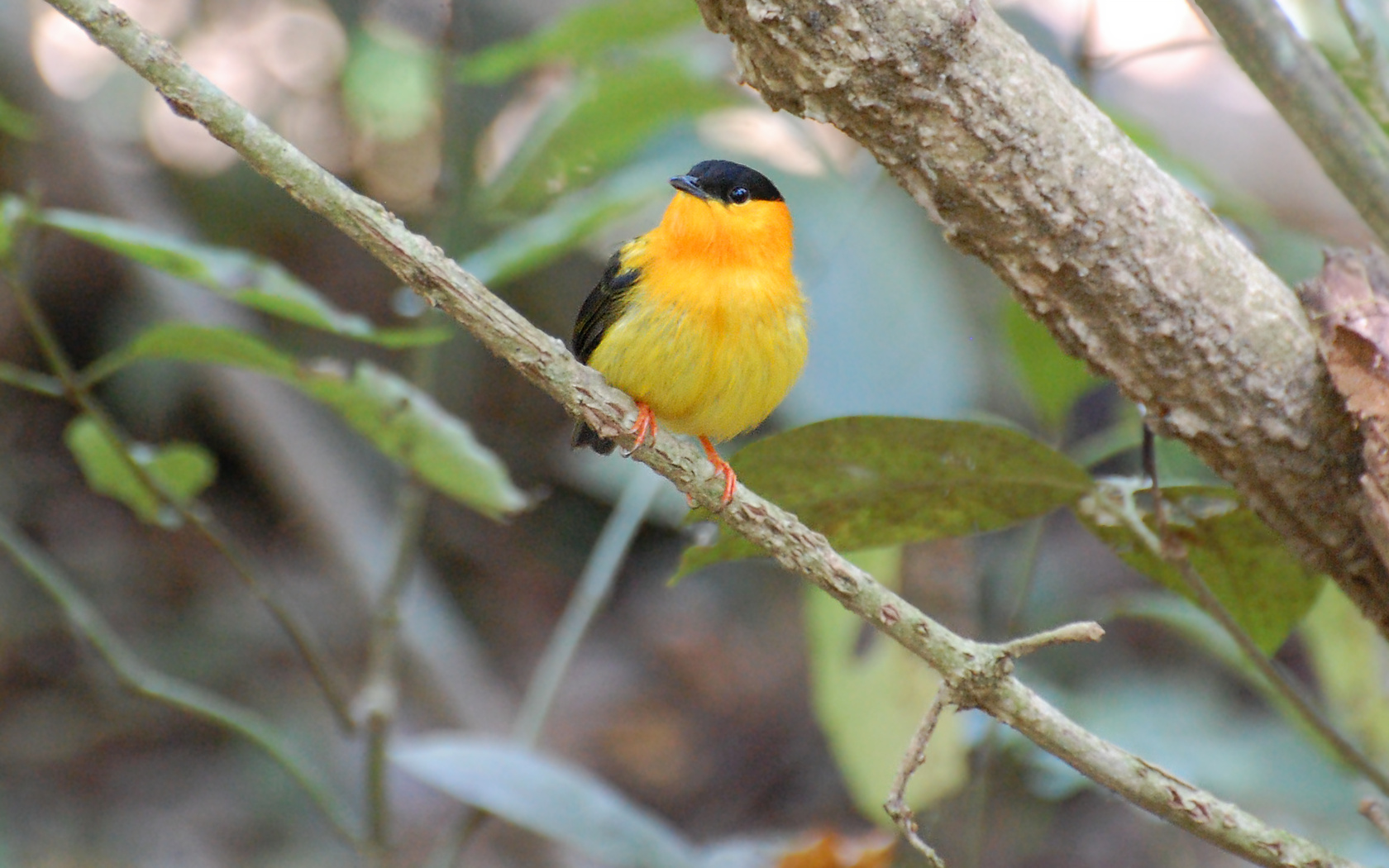
There were many more highlights. Orange-Collared Manakins (pictured at top) were high up on the list. Manakins are lekking birds: the brilliantly-colored males gather at special sites and put on shows for the females, who come, watch, mate if they're sufficiently impressed, and then leave to build nests and raise young alone. Every species of manakin has its own unique dance routine. Johan happened to know of a lek site. Unfortunately no females were around to spur the males on to their full performance (which involves leaping to and fro while snapping their wings like some avian version of click beetles. Have a look.) However, using a recording to convince the lek regulars that a strange male had come along, Johan was able to call one out into close view.
1680x1050 wallpaper
(Continued in next post)
Costa Rica Raptors
April 26th, 2014
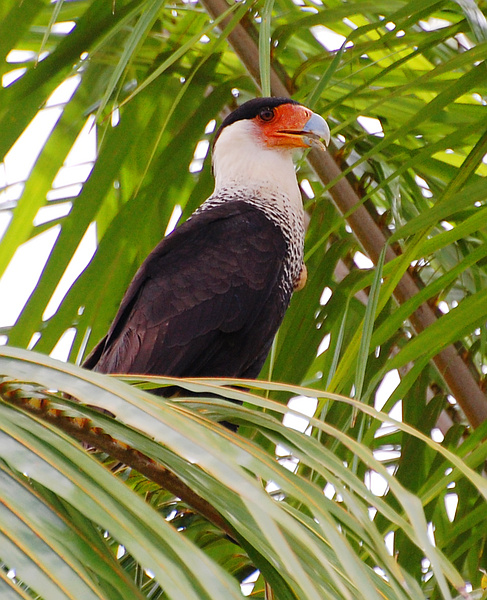
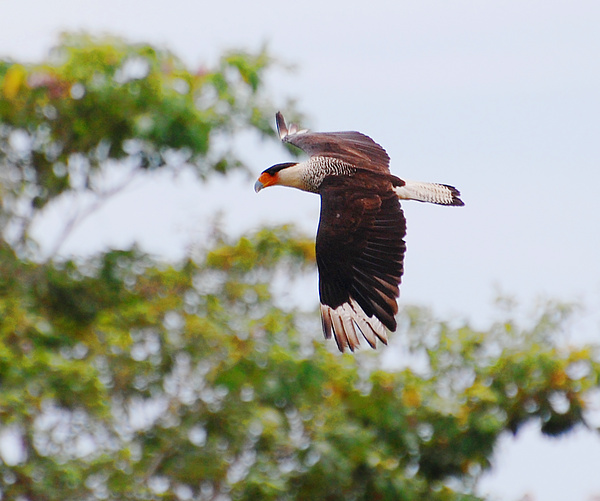
Crested Caracara was one of my early lifers, being both common and distinctive enough that it's hard to miss. (You might have seen one yourself if you've ever been to Florida, Texas or Arizona.) Even though this bird is part of the falcon family, it's more of a scavenger than a hunter. Like vultures it has a bare face, and for the same reason: to help it stay clean despite its somewhat unsavory eating habits. When it does hunt, it's as likely to take insects as animals.
One day I even found a Caracara with the Cattle Egrets, foraging in the tractor's wake as they did. I got a good shot of him when he perched beside the road.
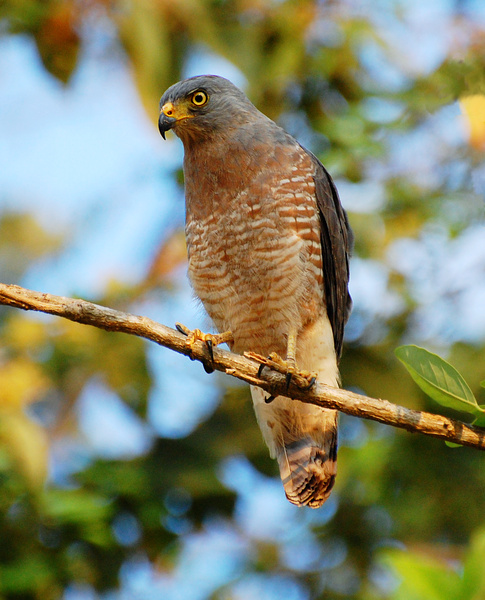
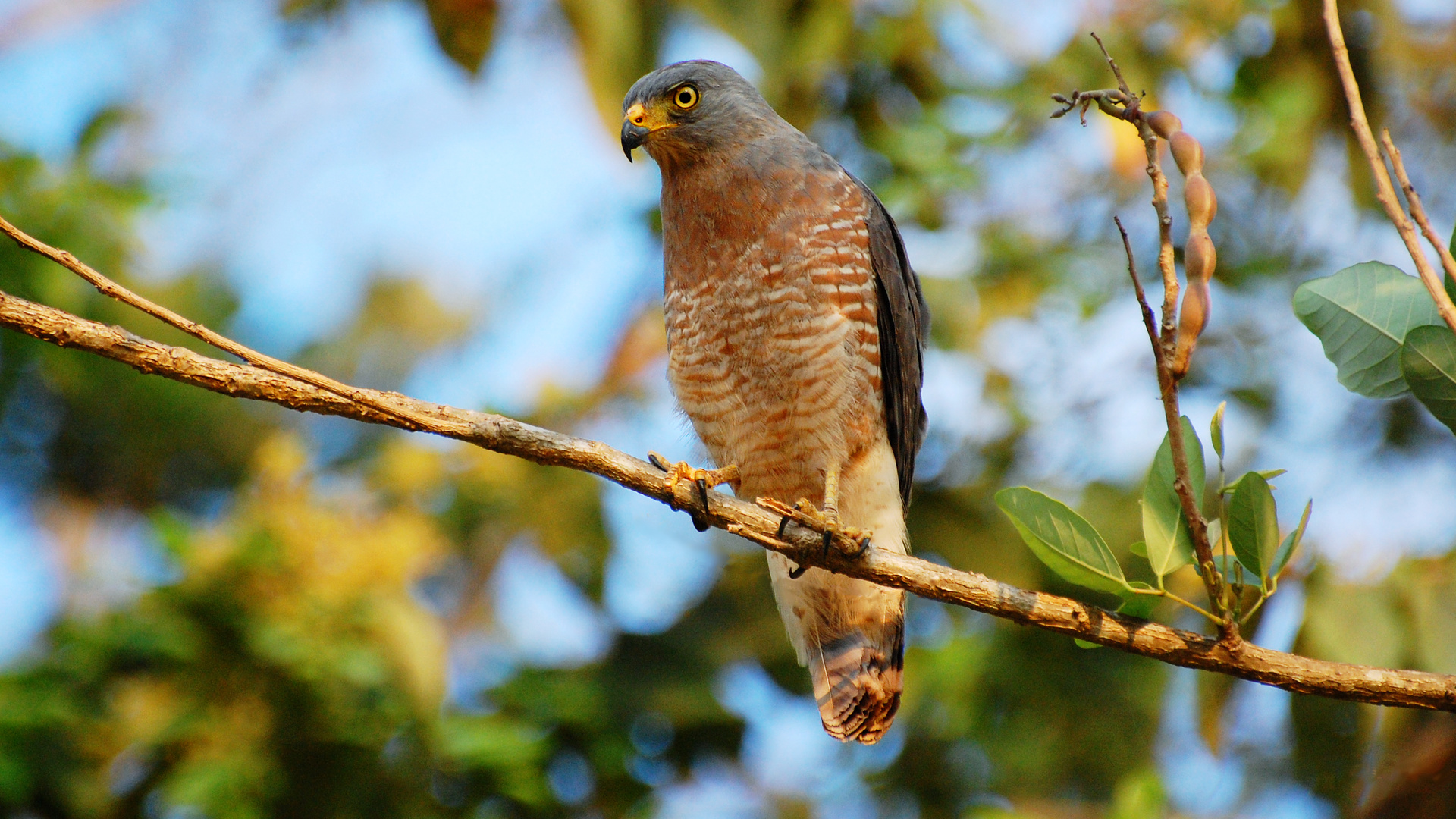
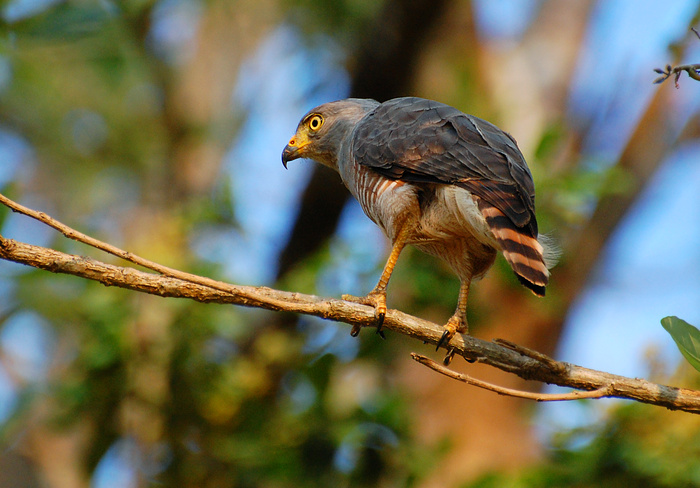
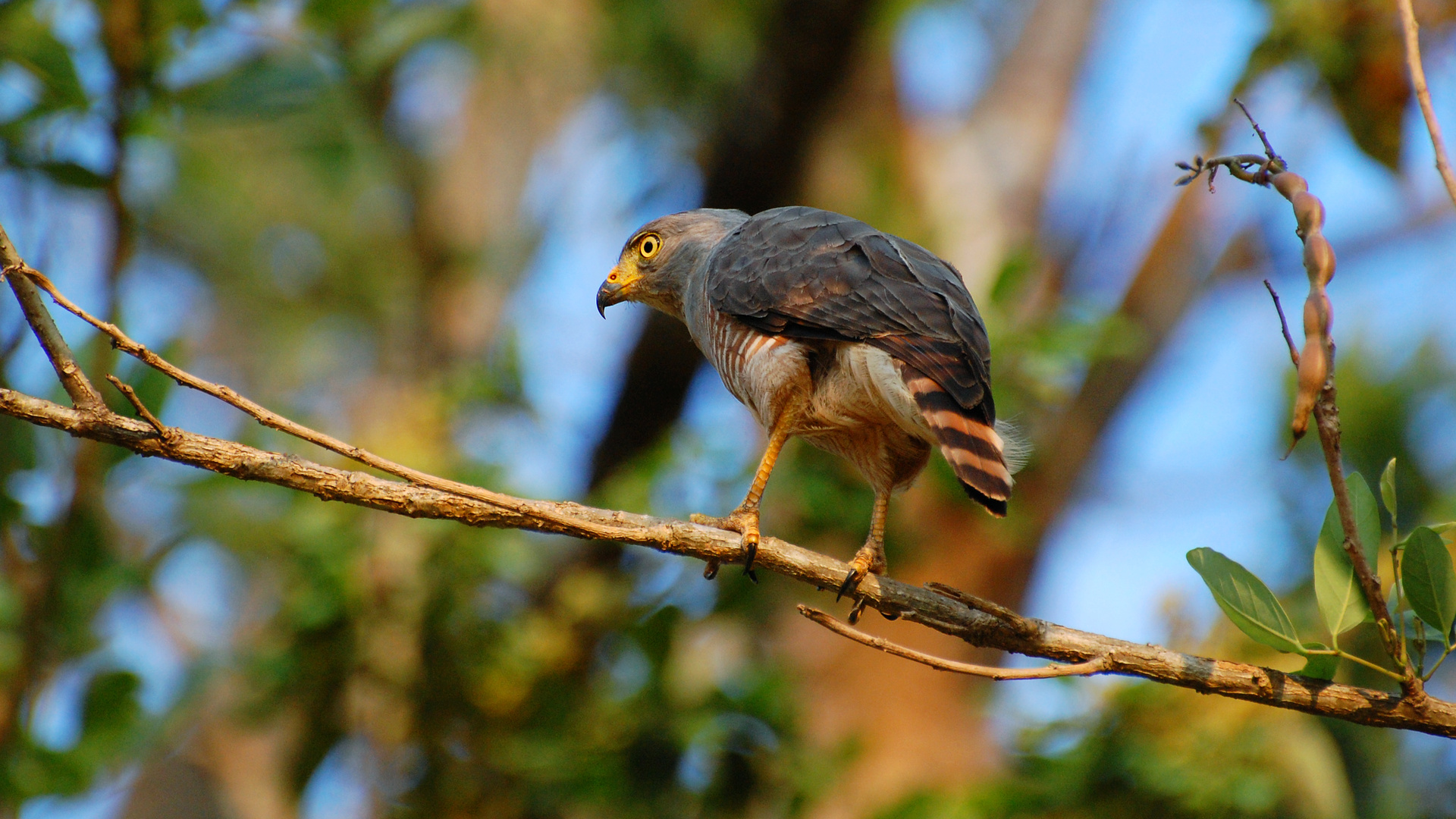
Roadside Hawks occupy a similar niche in the tropics to the one Red-Tailed Hawks occupy here: hunting small mammals at field edges, often close to human settlement. They also take the occasional insect or lizard. This one came down almost to eye level and even did a bit of hunting as I stood there.
1680x1050 wallpaper
1680x1050 wallpaper
Meanwhile...
April 23rd, 2014
Spring migration is in full swing! I haven't had much chance to post about it what with the flurry of Costa Rica pictures (which isn't over yet--I have a few more around-the-resort birds to share, and then it's on to the avian grand finale of the vacation, our tour to Carara National Park.) But I've been having a great time watching all our breeding birds come home again.
1680x1050 wallpaper
1680x1050 wallpaper
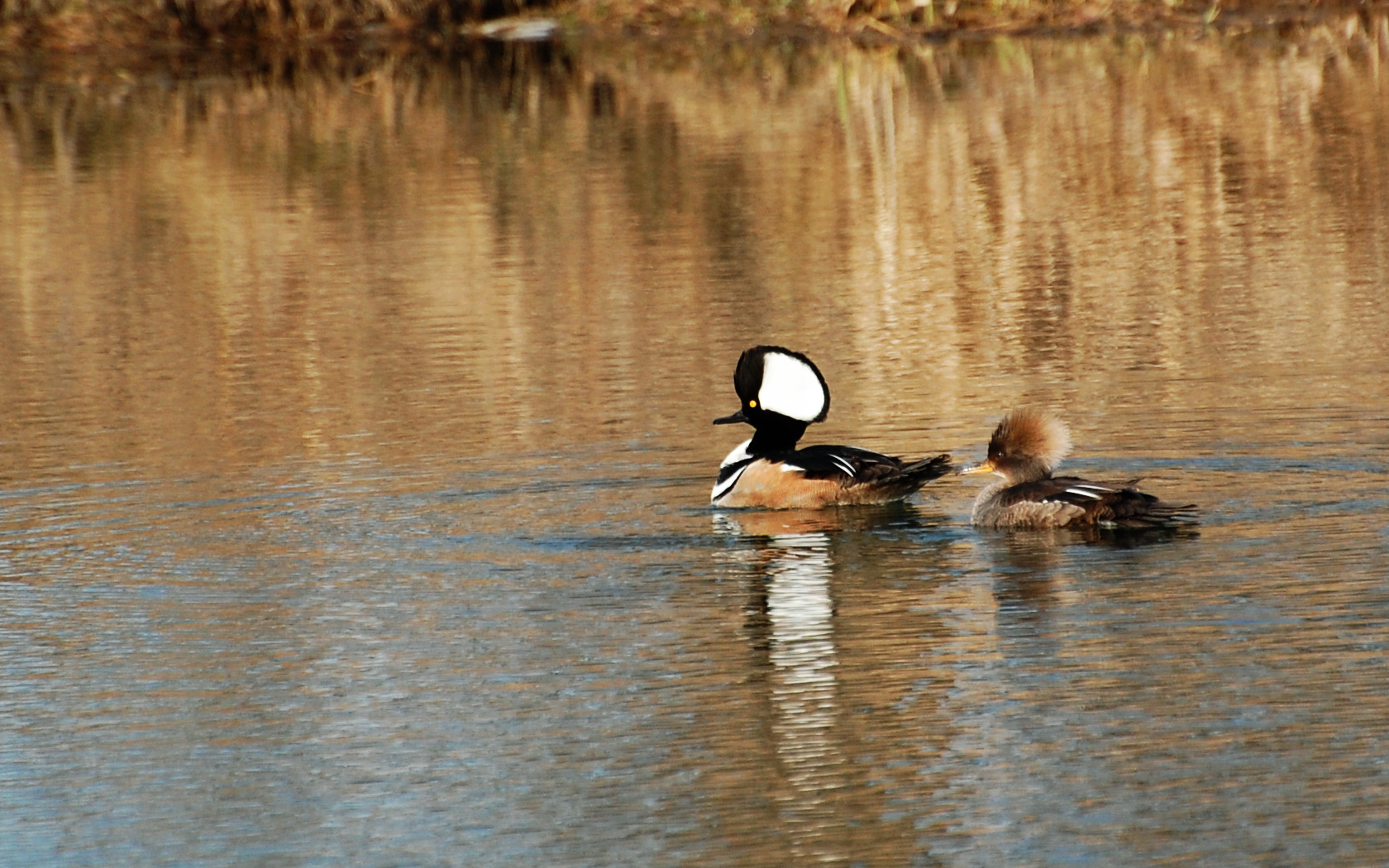
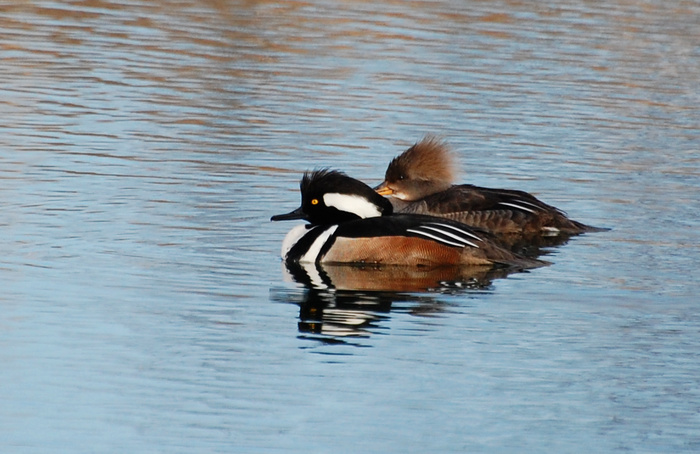
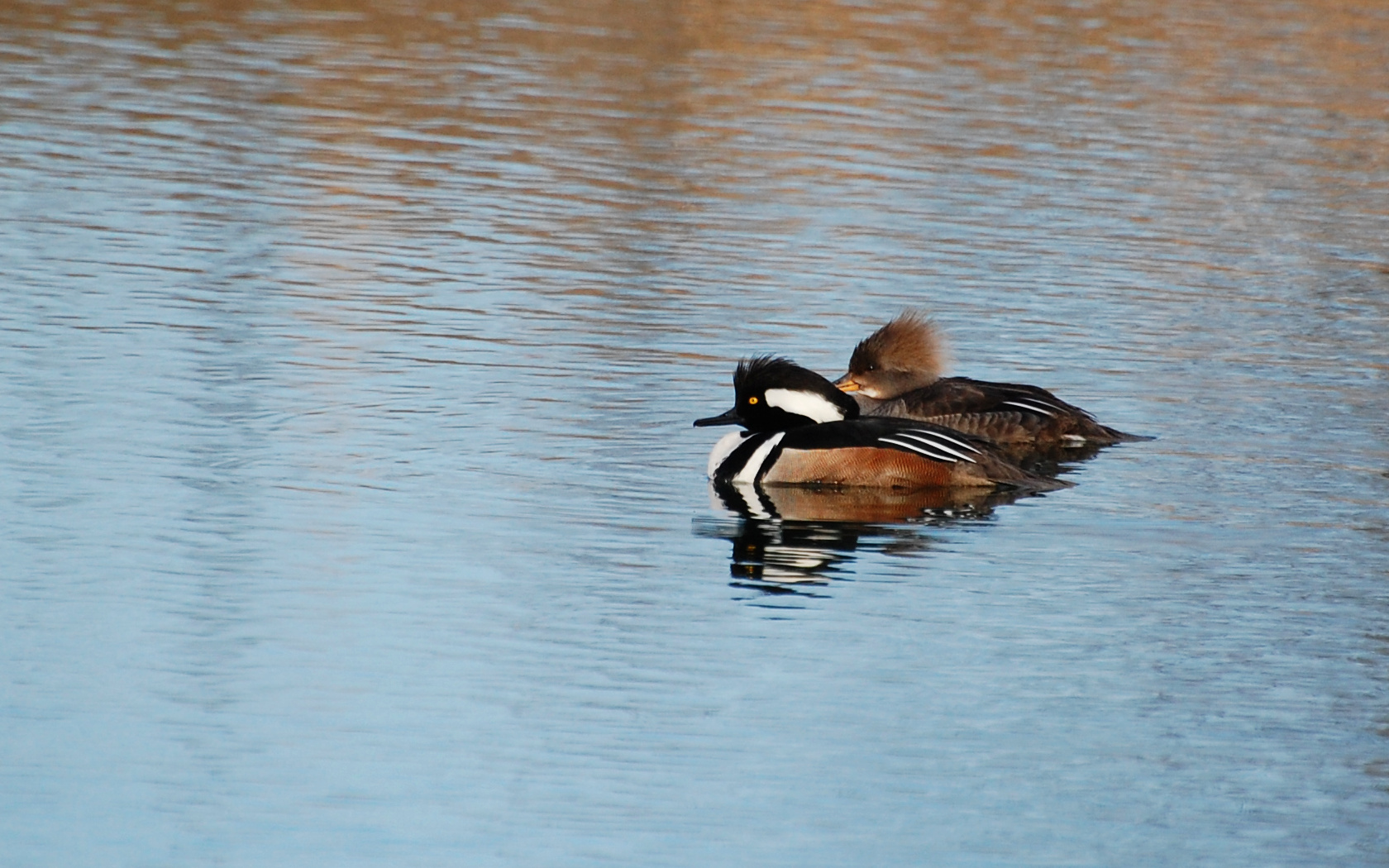
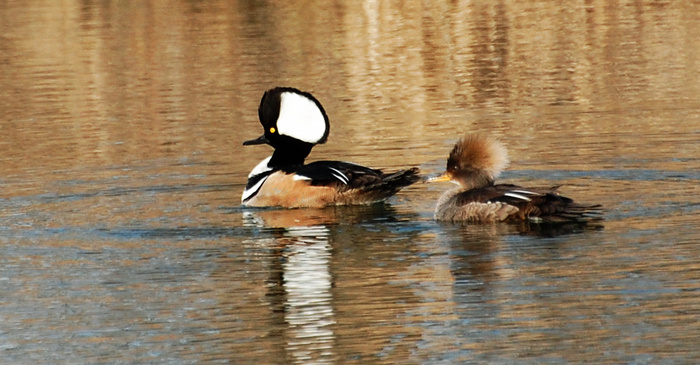
I'm actually cheating with these. They're leftovers from a photo shoot around this time last spring that I didn't develop before. The Hooded Merganser pair is back on the same pond--I saw them yesterday--but there's no real reason to disturb their peace when I already have something to show.
So far it's blackbirds and kinglets, ducks and cranes, and other birds who can handle our often cold and wet April weather. But in another couple weeks, the Yellow Warblers will be back. I can't wait.
Manuel Antonio National Park
April 21st, 2014
On Saturday Michael and I decided on a visit to Manuel Antonio, for some hiking, birding and maybe swimming. I've already shared the star of that trip, the Blue-Crowned Motmot that flew to within ten feet of us. Another happy sighting was a glittering Red-Legged Honeycreeper. On the Esquipulas trip, Mike and Johan had seen one of these while I was separated from them (at the very time when I was getting my lifer Chestnut-Backed Antbird, in fact.) It was gone by the time I got back. So it was nice to see one at last.
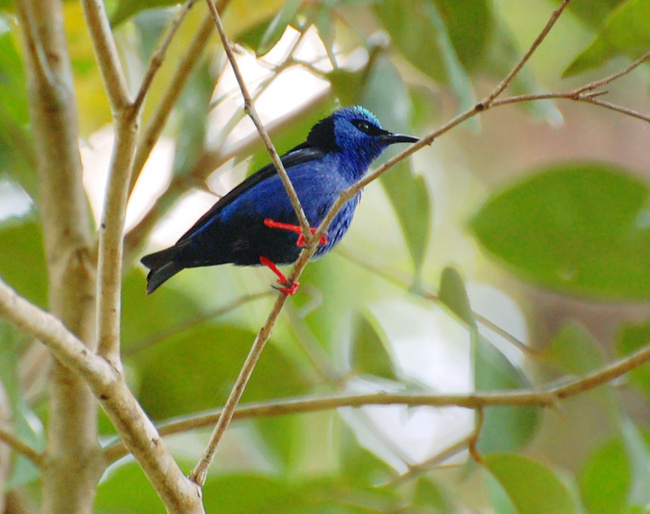
I actually mistook that for a wintering Indigo Bunting at first, despite, y'know, the blazing red legs and long curved bill and pretty much everything other than the fact that it was blue. Not my proudest moment as a birder!
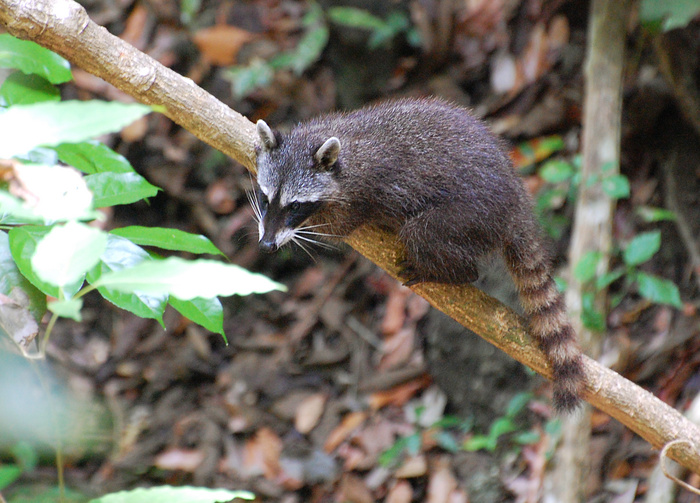
A family group of raccoon-like animals caught our attention, as they travelled along in a dried up stream bed below us. I initially thought they were coatis due to their elongated snouts, but some research cleared things up. Turns out they're Crab-Eating Raccoons--aptly named close cousins of the raccoons we all know and love. They were hard to photograph in the shadows and brush, but this one briefly came out in the open.
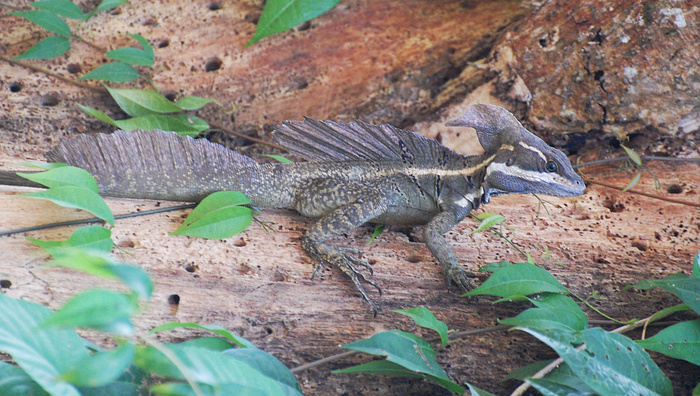
The odd-looking guy below is a Common Basilisk, although the locals would call him a Jesus Christ Lizard. Here's why.
Our final sighting of the day came late and unexpectedly. Our taxi driver was taking us back to the resort when he pulled over suddenly, exclaimed that there was a toucan in a tree and let us out to see it. Thus did I get my lifer Chestnut-Mandibled Toucan! (Handsome tip: earned.) It was distant and half-obscured by foliage, but still pretty exciting considering. As Mike said afterwards, "everyone in Costa Rica is a tour guide!"
Seedeater Birdscapes
April 20th, 2014
The seedeaters, as a group, stole my heart in Costa Rica. No, they're not colorful or beautiful singers or anything like that, just very small and shy and cute. They seemed to me as tiny as hummingbirds. The sapling palms near our resort were dripping with them.
A close-up was out of the question. As soon as I approached within a certain distance, every last one of them would melt into the scenery. I had to make do with "birdscapes." I especially liked the view of these female Yellow-Bellied Seedeaters with the mountains silhouetted in the distance.

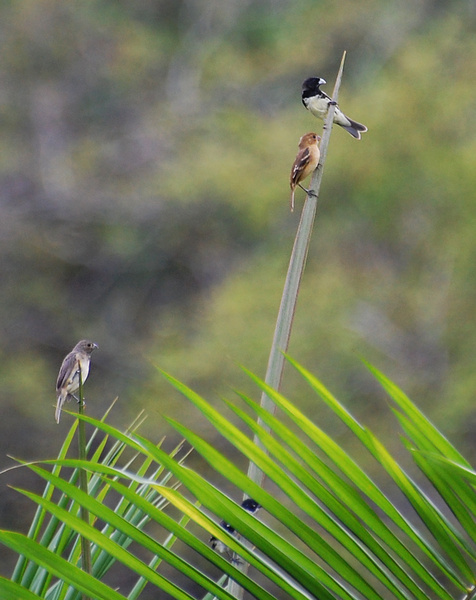
Top to bottom: male Yellow-Bellied Seedeater, female White-Collared Seedeater, juvenile male Yellow-Bellied Seedeater, male White-Collared Seedeater. (Yes, there's a fourth one hiding down there.) Yellow-Bellied Seedeaters roam widely in search of seeding grasses, and apparently that's the only reason I saw them. They're not normally found in Quepos. Johan Chaves went searching for them after I left, but the flock had already moved on.
Equally tiny Blue-Black Grassquits shared the same habitat. These guys were quite pretty when the light caught them and revealed their cobalt-blue iridescence. They were also more amenable to close-ups.
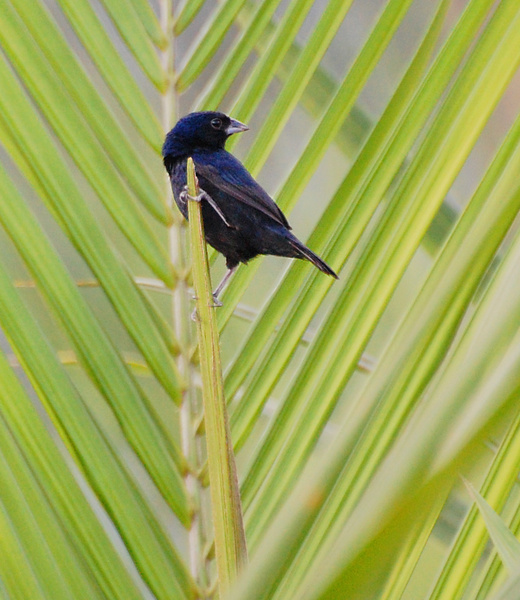
Many scientists believe that Blue-Black Grassquits were the original parent species of Darwin's finches--the birds that helped Charles Darwin develop his theory of evolution. When they first spread to Galapagos the islands were nearly birdless. So they proceeded to rapidly diversify into about fifteen different species, each one exploiting a previously empty niche.
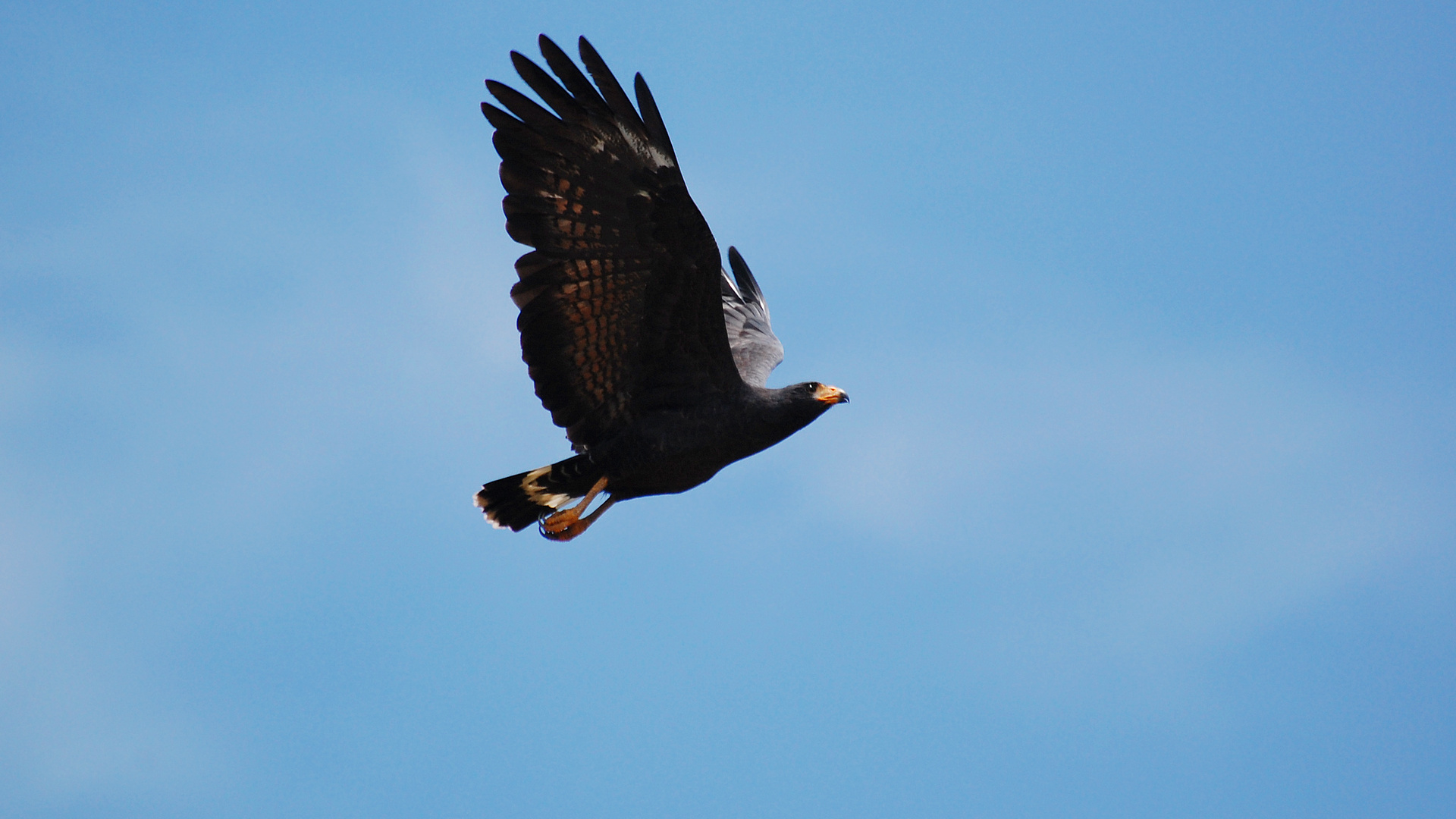
A pair of Mangrove Black Hawks was nesting in a big dead tree near the estuary. These hawks' favorite food is crabs, sometimes captured by racing after them on foot through the mud! To everyone other than crabs, they seemed to hold the status of "gentle giant"--the little seedeaters would perch in the same tree as them without any sign of fear. The hawks also tolerated me close to their nesting tree, although the first time I walked by on any given day, one of them would usually do a quick fly-by to check me out (or maybe dissuade me from trying any funny business?) This made for a good photo op if I had my camera at the ready.
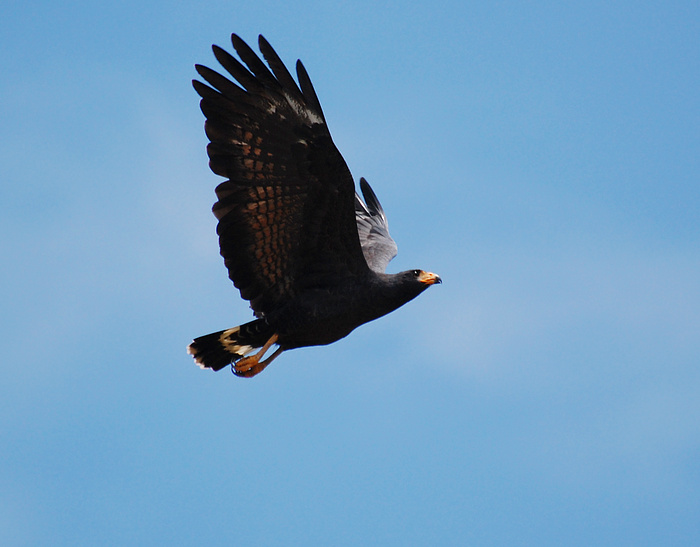
1680x1050 wallpaper
Wherein Ursula Vernon makes me laugh hysterically
April 17th, 2014
Birder Directions: A Play In One Act
El Rey wetlands with Johan Chaves
April 16th, 2014
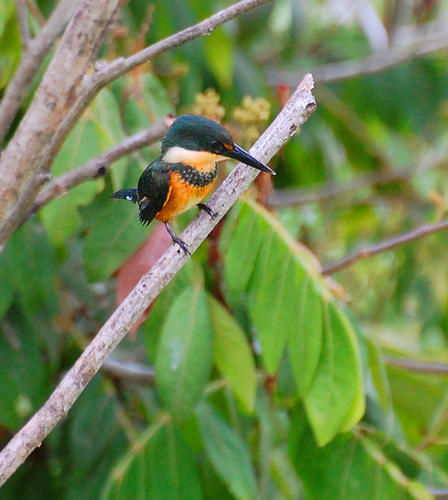
In the dry season, El Rey was shallow marsh, productive of wading birds like gallinules and herons, plus the occasional kingfisher. (In the wet season the adjacent fields flood and breeding waterfowl move in.) One of the high points for me was a tiny American Pygmy Kingfisher. This guy is less than half the size of the kingfisher we're familiar with in North America (Belted), and eats very small fish and aquatic insects.
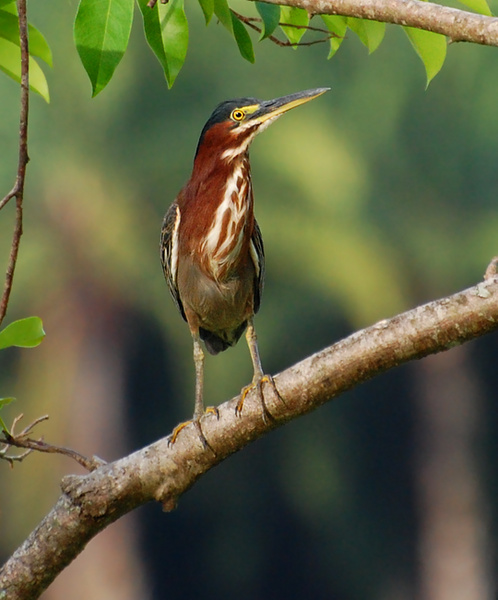
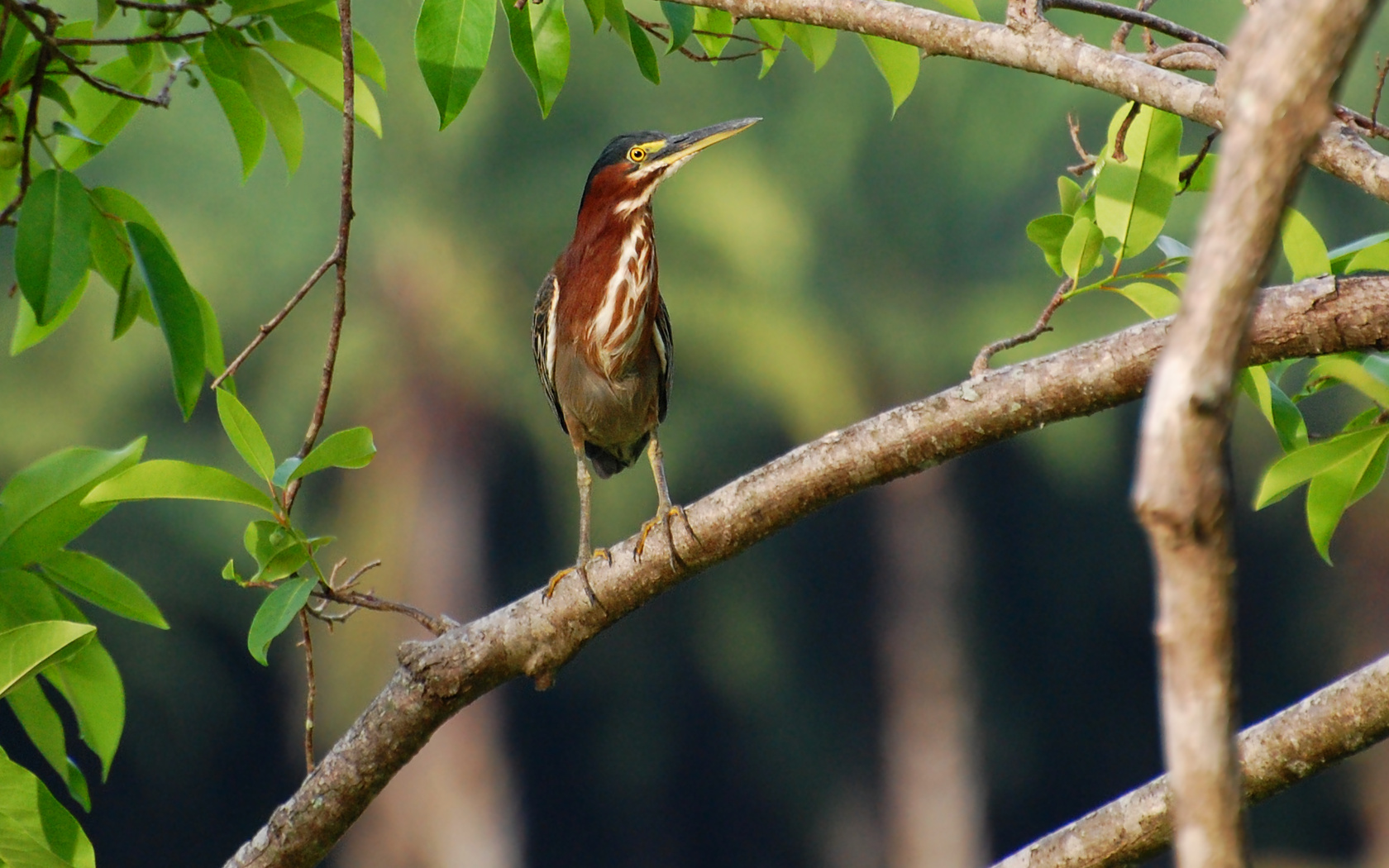
Familiar Green Herons were everywhere in Costa Rica, anywhere they could find the tiniest bit of water to fish in. This time of year the resident Green Herons were joined by wintering birds from North America. Like so many of the wintering birds, they seemed tamer than back home.
1680x1050 wallpaper
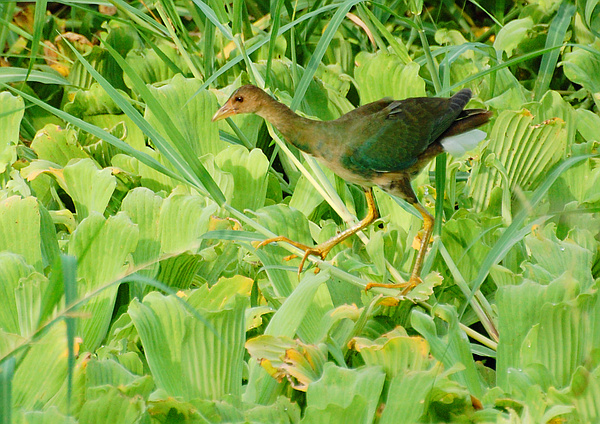
The beautiful adult Purple Gallinules eluded my camera. I saw them only in brief glimpses. But this juvenile was a lot more willing to come out in the open--perhaps because his camouflage was better! Typical of his species, he stayed expertly out of the water by scrambling over aquatic plants.

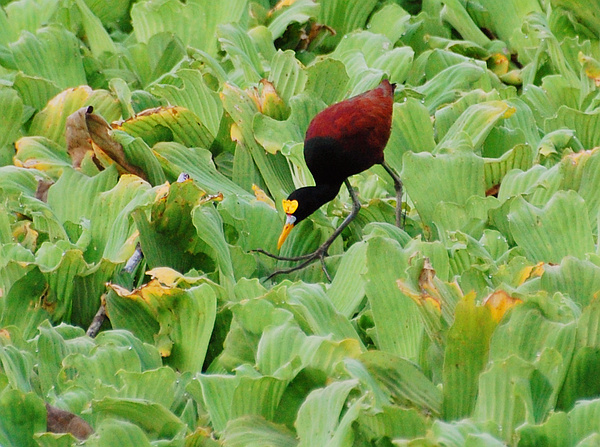
As did the jacanas. You can see below the ultra-long toes that allow jacanas to even balance on floating lily pads.
Naranjito and Esquipulas with Johan Chaves (part 2)
April 13th, 2014
A familiar face:

1680x1050 wallpaper

This deep-golden beauty is a Prothonotary Warbler, a North American bird, wintering in the tropics as most warblers do. Prothonotaries are abundant breeders at Dutch Gap, one of my favorite birding spots when I visit my folks in Virginia. They nest in tree holes (or manmade nest boxes) in wetland habitat. I found this one to be especially tame. In fact I find a lot of Costa Rican birds especially tame, as if they know they are in a peaceful country!
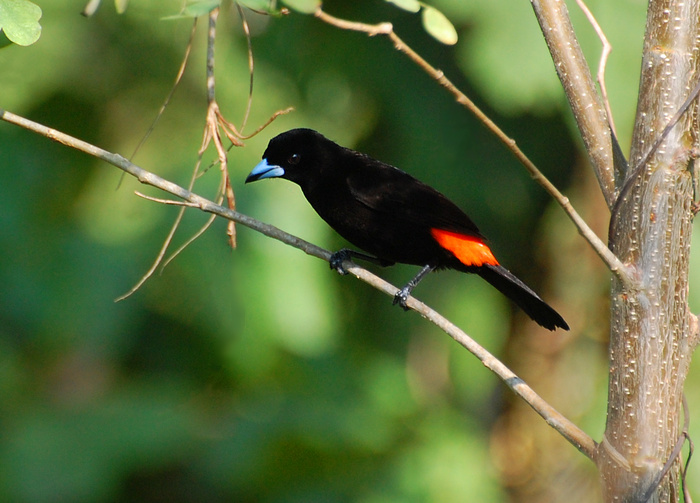
There are over two hundred types of tanagers in the Americas, nearly all of whom are restricted to the tropics--probably something to do with their love of fruit. Like our own Scarlet Tanagers (a species I'm still trying to get one good photo of to this day), most of them seem to be deep woods birds who stay well up in the trees and shun open spaces, which is unfortunate given their often stunning beauty. Cherrie's Tanagers were a pleasant exception to the rule. I saw them frequently both during our tours and around the resort.
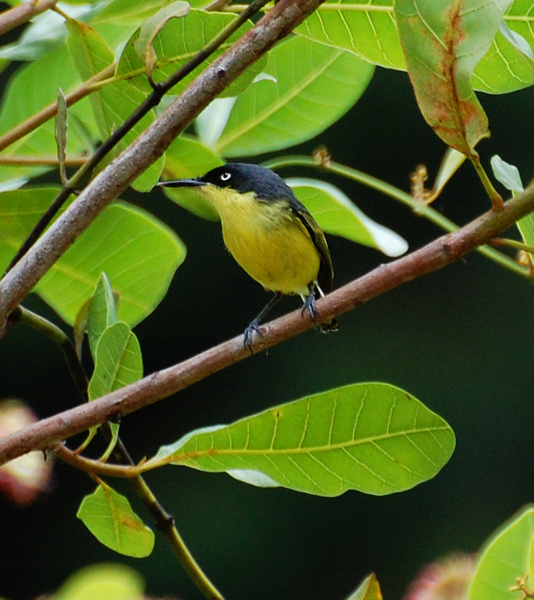
Common Tody-Flycatcher
The striking pale eye on a dark face is distinctive, making this one of the few easily identified flycatchers.
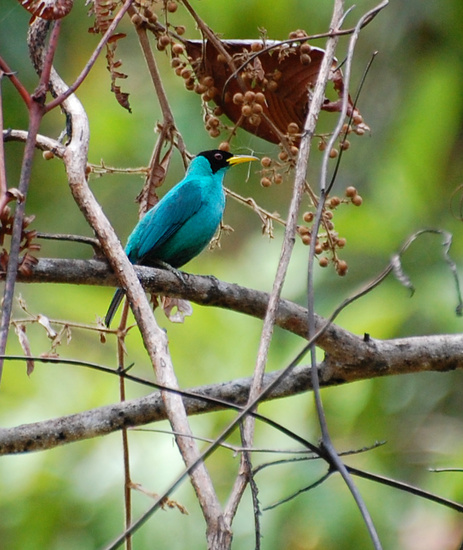
Green Honeycreeper
If you've been following along closely, the above bird might look familiar to you. I photographed one in better detail at the Biodome a few years ago. Since this was my first wild sighting, it was a lifer. There are three types of honeycreepers in Costa Rica, all of whom specialize in drinking nectar.
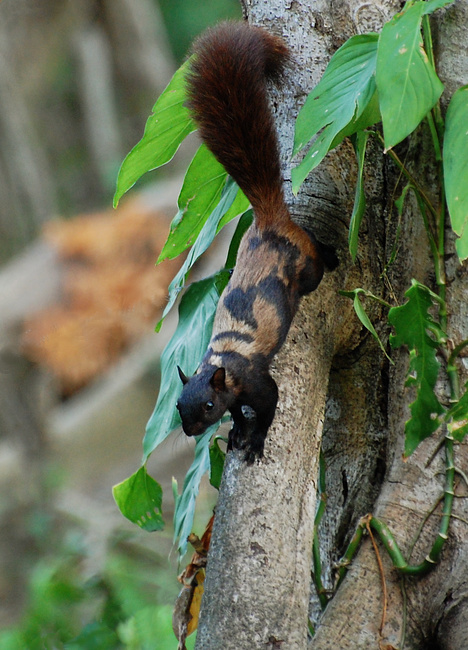
Variegated Squirrel
These squirrels vary widely in color and pattern, thus the name. I found this one particularly handsome.
Naranjito and Esquipulas with Johan Chaves (part 1)
April 10th, 2014
Thursday was our first tour with Johan: a forested area called Esquipulas in the morning, then El Rey wetlands in the afternoon. In early morning, we made a stop in a suburban part of Naranjito that Johan knew to be good for birds. There we soon hit paydirt with a gorgeous Fiery-Billed Aracari!
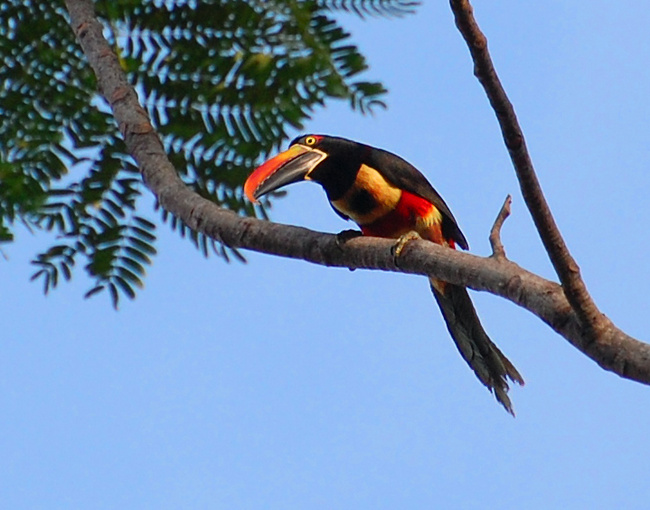
This is the smaller and more vividly colored of Pacific Costa Rica's two species of toucans. It's also the only one that ever came close enough for good pictures. Amusingly, according to him, the locals at Naranjito assume that Johan is a real estate agent. They can't figure any other reason why he would be taking people around their neighborhood and pointing at things.
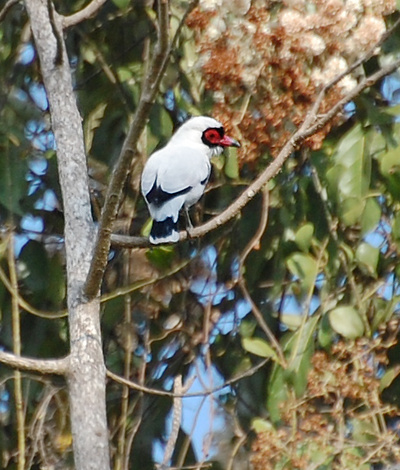
"I remember my clients by what their favorite bird was," Johan said. "When I think of you, I'll think of Masked Tityra." I liked the tityras mainly because of the weird, buzzy sound they made. They're colloquially known as "pig birds" because it sounds like they're going "oink oink."
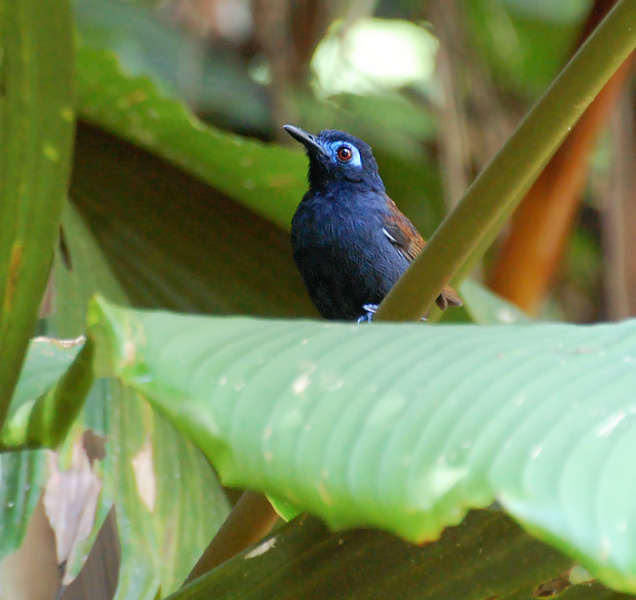
A Chestnut-Backed Antbird: one of a large family of tropical birds who follow army ant swarms. As thousands of ants rampage through the forest floor, insects and other small critters leave cover to flee in a panic. Antbirds then swoop down and pick off whatever the ants miss. Some antbirds make their entire living this way; the Chestnut-Backed is more of a casual opportunist. I was on my own when I first found and identified the species, as one crept through the underbrush alongside an Orange-Billed Sparrow (also a lifer.) Johan got this one to stop creeping and come out for a glamour shot by playing back a recording of its call.
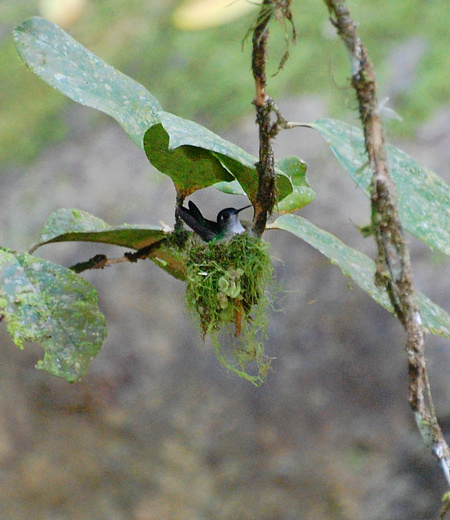
Violet-Headed Hummingbird. She was nesting just a few feet over a small stream.
(Continued in next post)
Close Enough To An Elephant
April 7th, 2014
You might be alarmed to see this little egret so close to a huge (and active) tractor. But not only is he not in any danger, the tractor is the whole reason he's there.
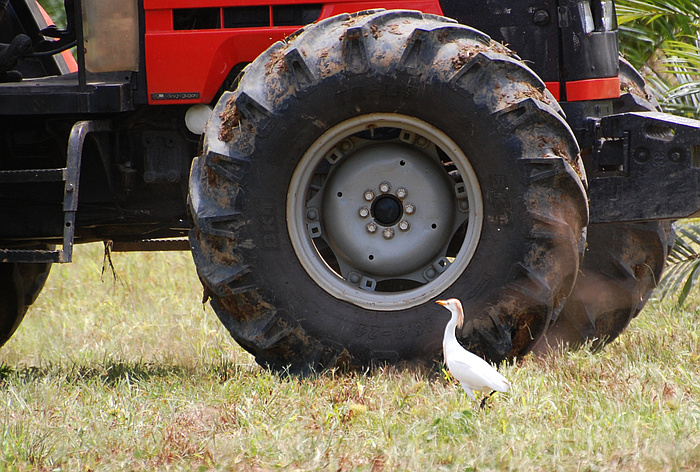
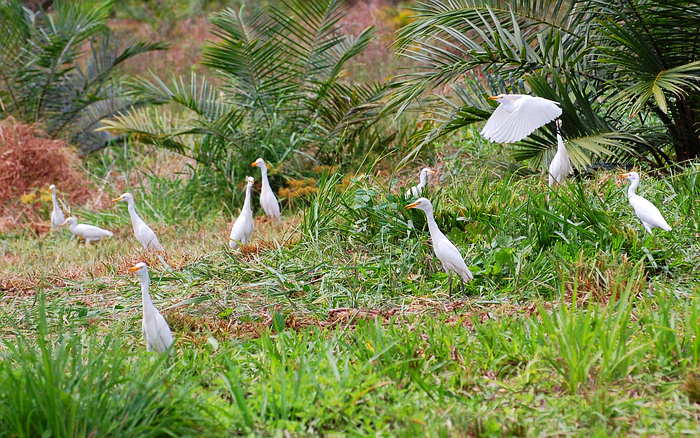
These are Cattle Egrets. They're found in North America too, though I've nowhere seen them so abundant as in Costa Rica. If you've ever watched an African nature documentary and seen a bunch of delicate-looking white birds picking around amidst elephants or wildebeests, nimbly evading their crushing footsteps--or even hitching a ride on their backs--these are they. Cattle Egrets evolved to follow large grazing mammals and scoop up the insects disturbed by their foraging. Originating in the old world, they naturally colonized the Americas in the 20th century, learning to forage alongside domestic cattle.
In this case, the egrets decided that a tractor was close enough in effect to "large grazing mammal"! Nearly every day I could find a flock of them following behind it.
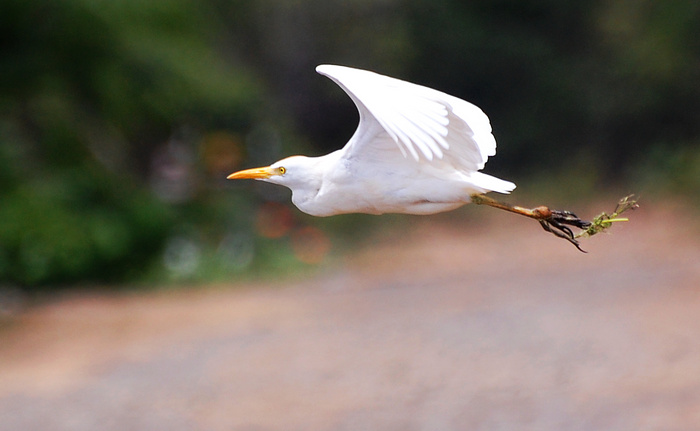
In addition to stirring up food, it also liberated some bits of nesting material for them.
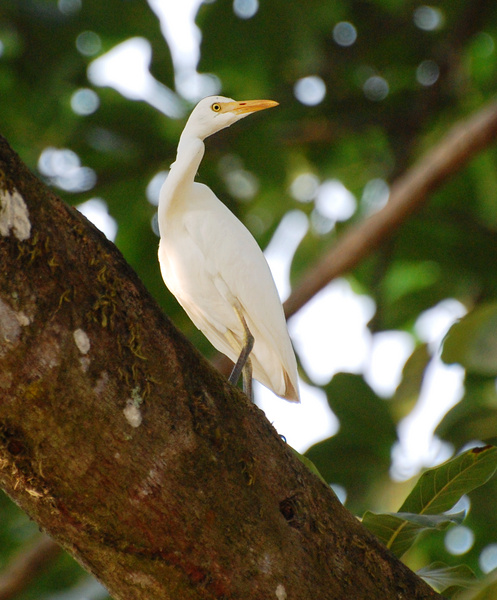
Perched in the resort's backyard. It wasn't unusual to find them there.
|